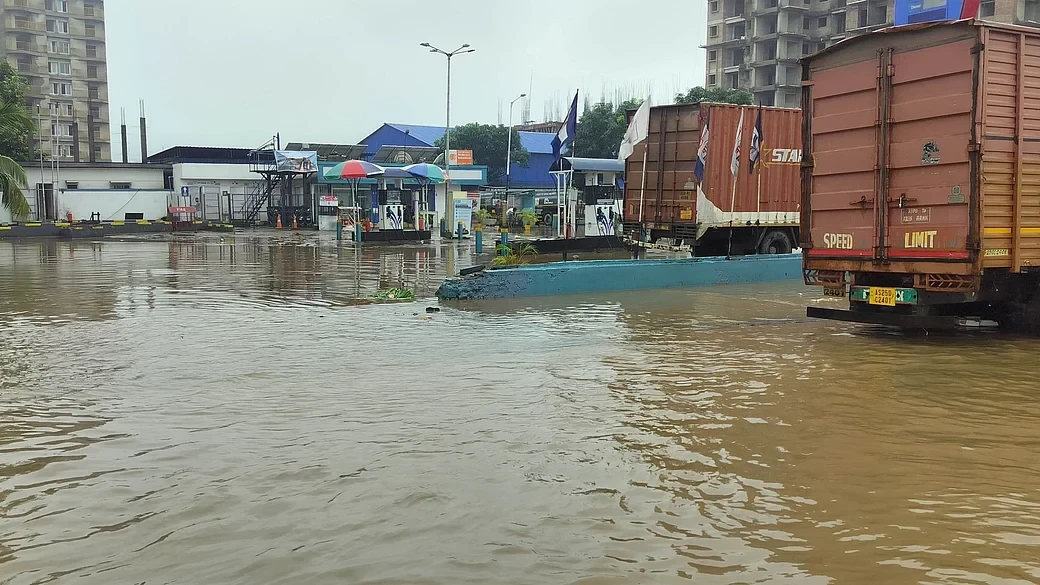
Assam is currently confronting a severe multi-front flood emergency, as relentless torrential rainfall in neighbouring hill states, particularly Nagaland, has unleashed flash floods and caused numerous rivers to swell across the region. This escalating crisis has directly impacted more than 3.6 lakh people, displacing communities and critically disrupting vital rail connectivity, posing significant challenges for travel and logistics to and from Upper Assam.
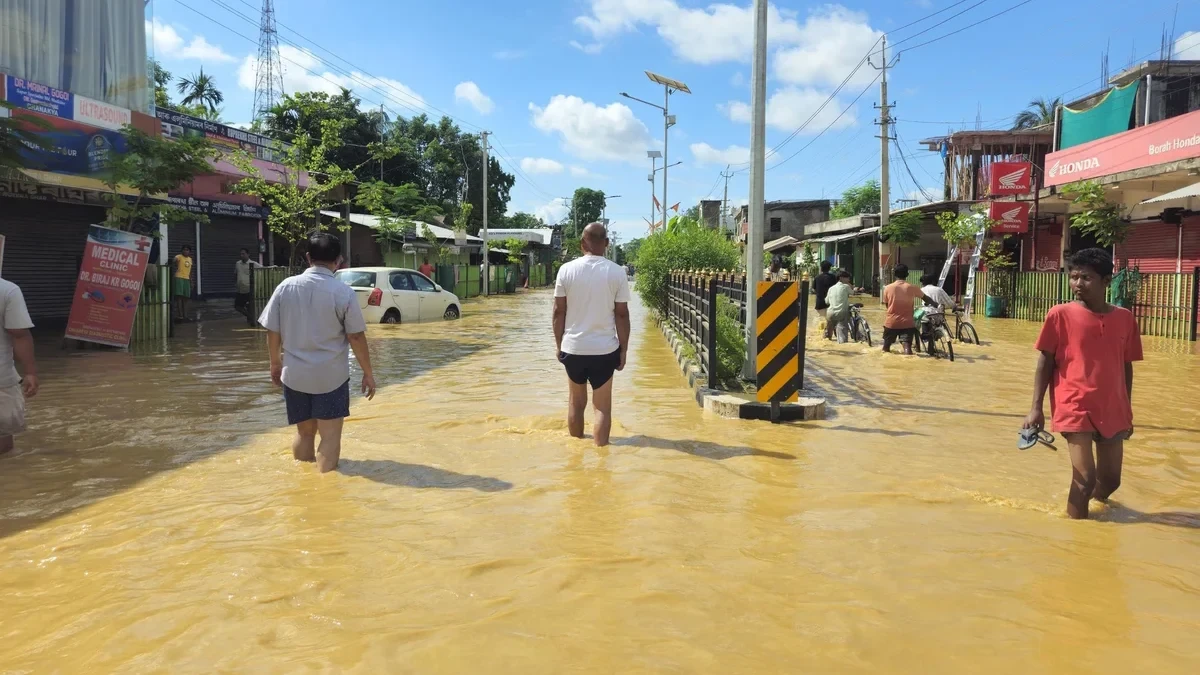
The complexity of the situation stems from various parts of the state simultaneously experiencing different forms of inundation. Beyond the sudden deluges, exemplified by the complete submergence of Sonari town in the Charaideo district following intense rainfall on July 20, 2026, numerous hill rivers and their tributaries are flowing above danger levels. This has led to widespread waterlogging in rural areas and significant urban inundation in several vulnerable towns and cities.
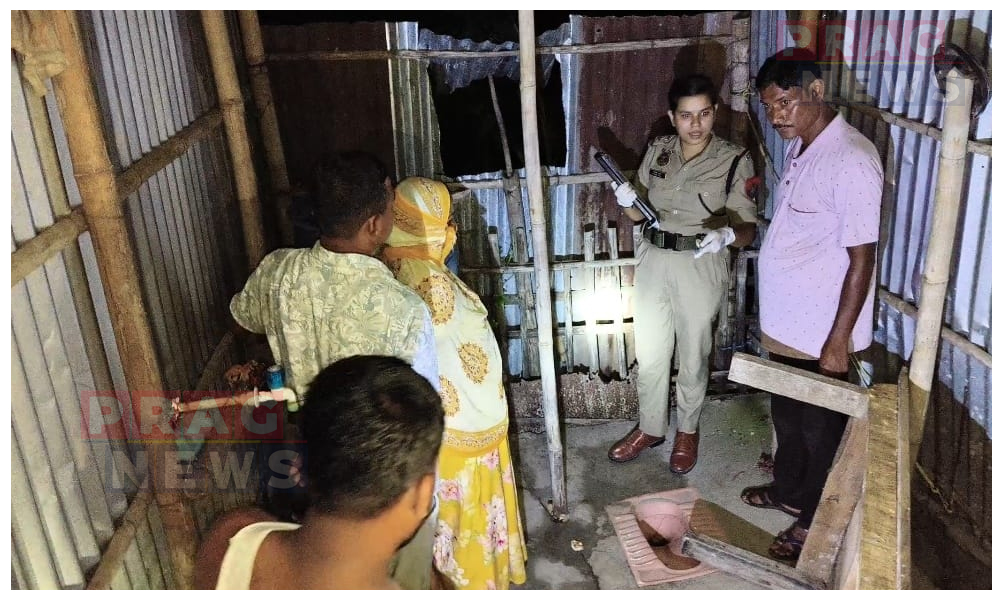
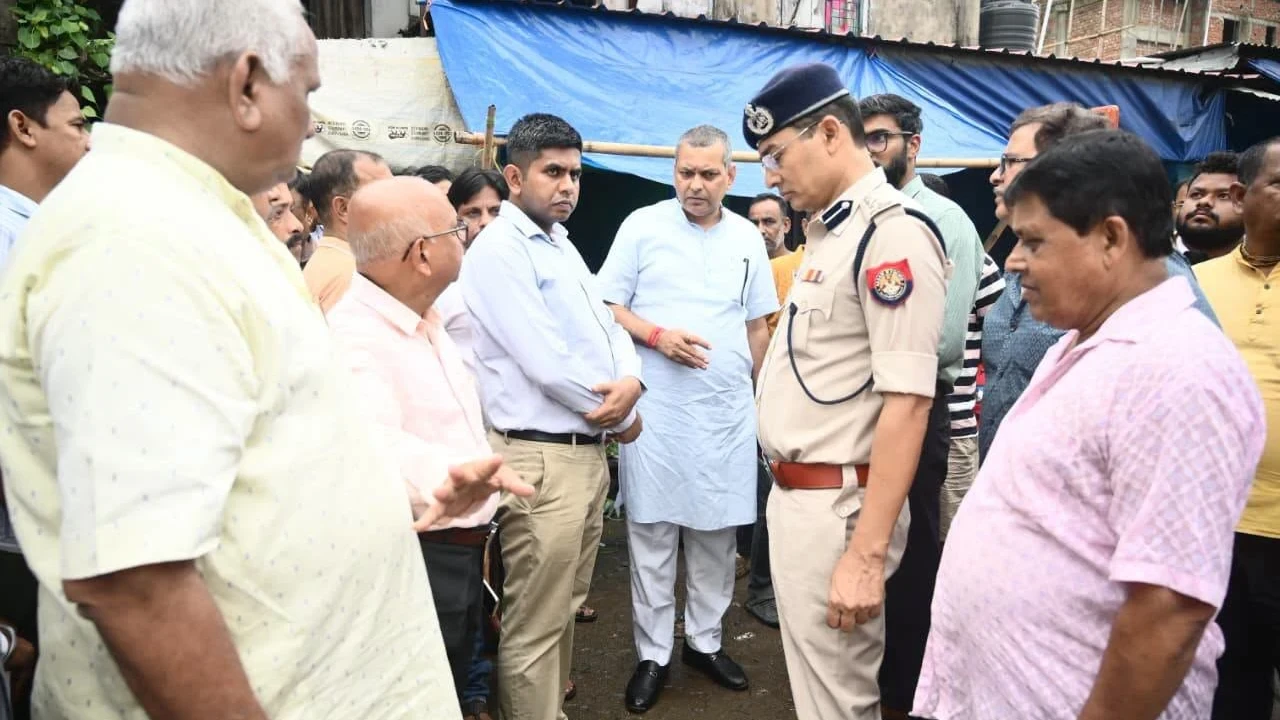
In response, state authorities have mobilised extensive rescue and relief operations across the affected districts. Teams are actively engaged in evacuating stranded residents, providing shelter in temporary relief camps, and distributing essential supplies. The disruption to rail services, a critical lifeline for both passengers and goods, further complicates relief efforts and daily life for thousands.
This monsoon season has starkly underscored the inherent vulnerability of Assam's diverse river systems to increasingly intense and erratic rainfall patterns. While annual flooding associated with the Brahmaputra is a recurring feature, the current crisis highlights the state's broader susceptibility to climate-induced events. As water levels are continuously monitored and further rainfall is anticipated, the immediate priority remains ensuring the safety of the affected populace and working towards the swift restoration of essential infrastructure.
Continue Reading