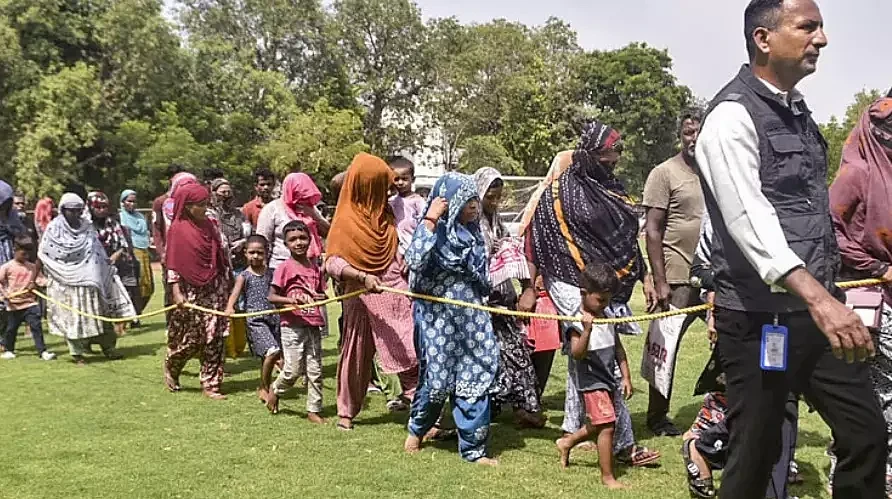
Assam has overseen the repatriation of 402 Bangladeshi nationals from its detention centres to Bangladesh over the last thirteen years, according to recent figures. This data highlights the continuous efforts by authorities in the state to identify and deport individuals deemed to be undocumented immigrants.
The process involves individuals who have been identified as 'declared foreigners' by the Foreigners' Tribunals, a quasi-judicial body established to determine citizenship status. Once declared a foreigner and having exhausted all legal remedies, these individuals are held in detention camps awaiting deportation to their country of origin.
The issue of undocumented immigration has been a long-standing and sensitive subject in Assam, a state that shares a porous border with Bangladesh. Concerns over demographic changes and the strain on resources have fuelled public discourse and political movements for decades. The establishment of detention camps and the process of identifying and deporting foreign nationals are part of the state's broader strategy to manage this complex challenge.
While the repatriation of 402 individuals over a period of more than a decade reflects a steady, albeit gradual, process, it also underscores the significant logistical and diplomatic efforts required to facilitate such transfers. The cooperation between Indian and Bangladeshi authorities is crucial for the successful handover of these individuals.
The state government continues to grapple with the complexities surrounding the identification and repatriation of foreign nationals, a process that often involves legal challenges, humanitarian considerations, and bilateral discussions.
Continue Reading