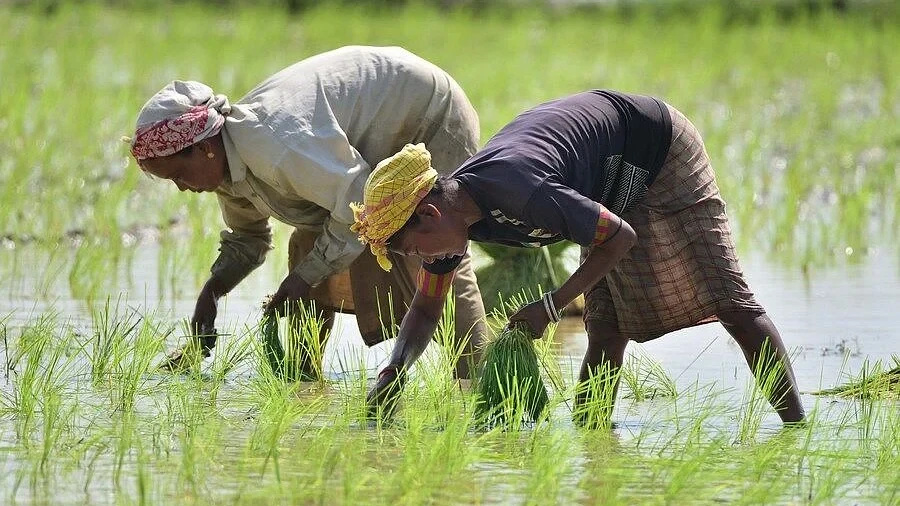
Guwahati: Assam's agricultural landscape is undergoing a concerning transformation, as official data indicates a significant contraction in the state's net sown area. Over the last decade, the land dedicated to cultivation has diminished by a substantial 42,715 hectares, a trend that poses considerable implications for the predominantly agrarian state.
This decline in agricultural land signals potential challenges for food security, rural livelihoods, and the overall economic stability of Assam. As a state where a large segment of the population depends on farming for sustenance and income, the reduction in cultivable land warrants immediate attention from policymakers and agricultural stakeholders.
While specific reasons for this contraction were not detailed in the latest reports, such trends often reflect a complex interplay of factors. These can include rapid urbanization, conversion of agricultural land for industrial and infrastructure development, soil degradation, erosion, and the impact of recurrent natural calamities like floods, which frequently affect vast tracts of land across Assam. Economic pressures leading to land abandonment or shifts in cropping patterns could also contribute to the observed reduction.
The shrinking agricultural footprint underscores the urgent need for a comprehensive review of land use policies and sustainable agricultural practices within the state. Experts suggest that understanding the root causes behind this decade-long decline is crucial for devising effective strategies to protect and optimize Assam's vital agricultural resources, ensuring food production and supporting the farming community for future generations.
Continue Reading