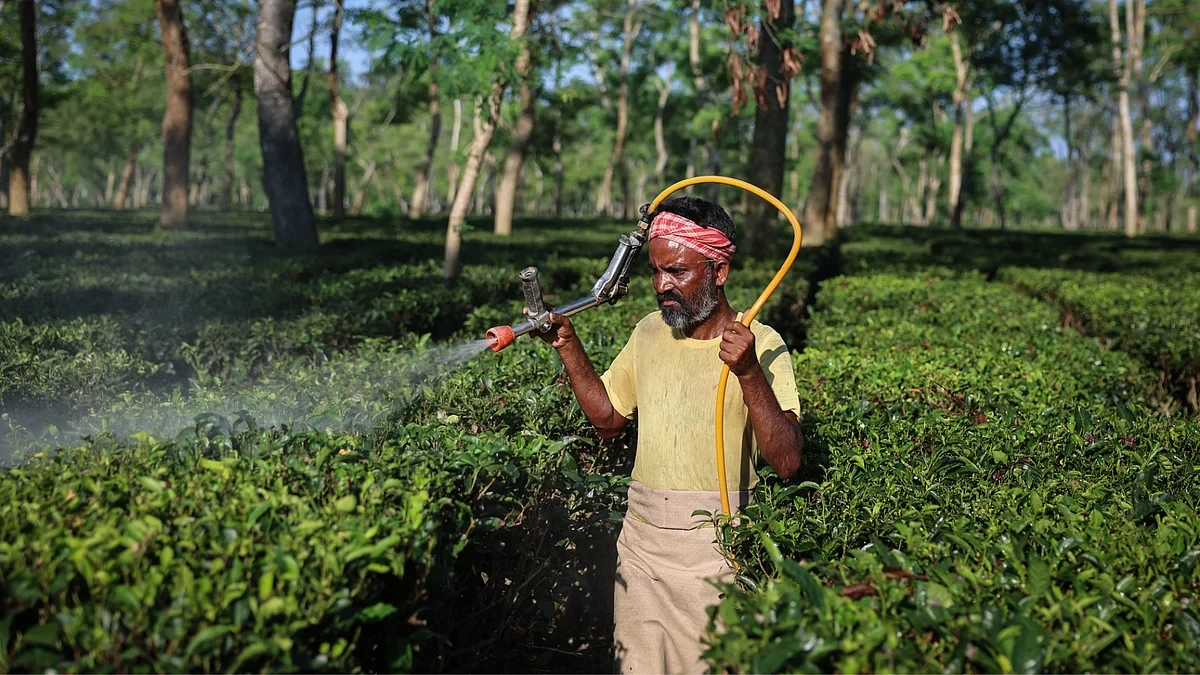
In a pioneering development for India's diverse tea landscape, Upper Assam’s Chota Tingrai Tea Estate, located in the Tinsukia district, has successfully produced and brought to market the country's first commercial batch of domestically cultivated matcha. This achievement signifies a pivotal moment, shifting India's position from primarily importing a global tea trend to actively cultivating one rooted in its own terroir.
Matcha, the distinctive bright green, finely ground Japanese tea, has witnessed a remarkable surge in popularity across Indian metropolitan cities. What was once considered a niche health beverage has rapidly transformed into a staple offering in modern cafes nationwide, frequently appearing alongside traditional Indian chai and espresso.
Until this breakthrough, nearly all matcha available to Indian consumers was sourced from East Asian countries. The success of the Chota Tingrai Tea Estate's initiative thus represents more than just an agricultural feat; it underscores India's potential to diversify its renowned tea production beyond its traditional black tea varieties.
This landmark project in Assam raises a pertinent question about India's future in the global tea market: can the nation evolve to not only be a producer of traditional teas but also innovate and cultivate emerging global tea trends on its home soil? The successful commercialization of Indian-grown matcha could pave the way for a more self-reliant and varied tea economy, potentially reshaping how the country engages with new beverage demands.
Continue Reading