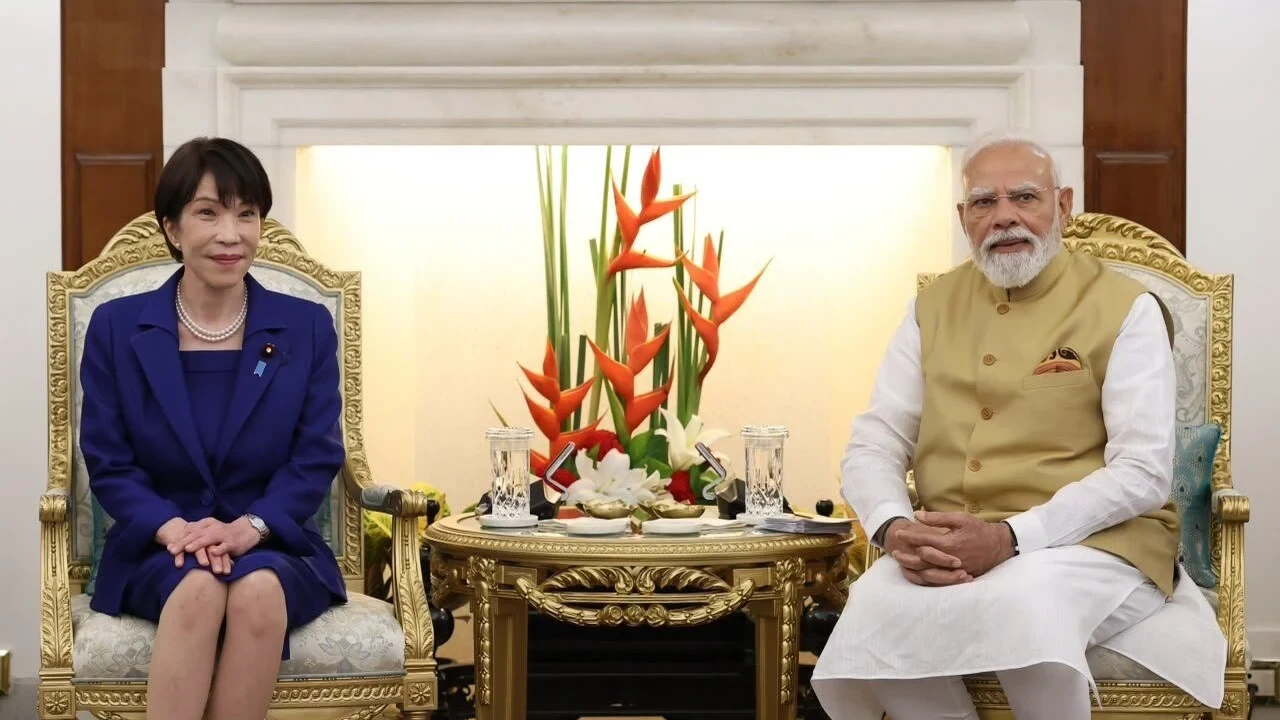
The recent 16th India-Japan Annual Summit, held in New Delhi from July 1-3, 2026, cemented the profound strategic relationship between the two Asian powers, with a particularly strong message for India's Northeast. While discussions primarily revolved around critical macro-issues such as economic security, robust supply chains, semiconductor cooperation, and the vision for a Free and Open Indo-Pacific, the outcomes unequivocally highlighted Assam's escalating strategic importance.
Although Japanese Prime Minister Sanae Takaichi's anticipated visit to Guwahati was postponed due to legislative and scheduling pressures in Tokyo, officials indicated that the substantive agreements reached during the summit rendered the physical venue less significant. Instead, the focus shifted to a qualitative transformation in bilateral engagement, moving decisively from traditional aid models towards a framework of co-development and high-level structural alignment.
Prime Minister Narendra Modi and his Japanese counterpart, Prime Minister Sanae Takaichi, reaffirmed their joint commitment to an ambitious target: mobilising ¥10 trillion, approximately $68 billion, in Japanese investment across India. This commitment signifies a strategic reset, prioritising comprehensive, integrated initiatives over a series of fragmented, non-binding Memorandums of Understanding. For Assam, this means an enhanced role as a gateway to Southeast Asia, crucial for establishing resilient supply chains and fostering regional economic security, aligning with India's Act East policy.
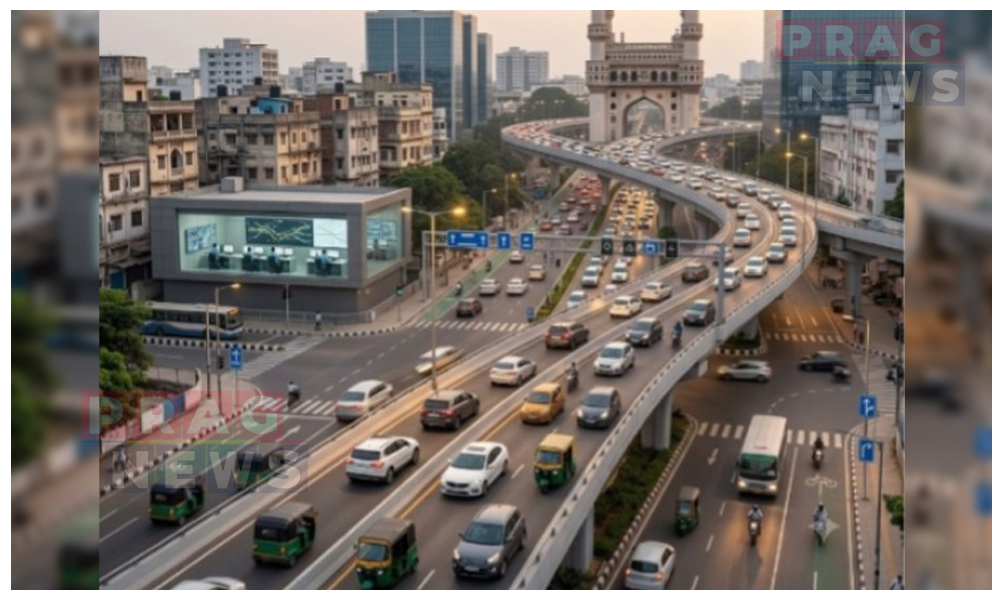
The summit's emphasis on connectivity and economic corridors, even without the ceremonial visit, solidifies Assam’s position at the heart of Asia's growth narrative. The region is now poised to be a pivotal beneficiary and contributor to this deepened strategic partnership, transitioning from a recipient of development assistance to an active partner in co-creation and economic integration.
Continue Reading