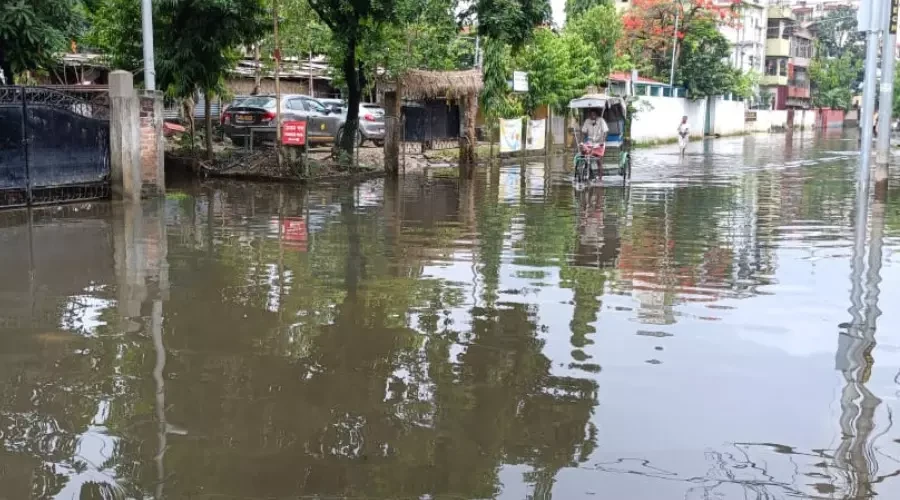
Every monsoon season, Guwahati endures a familiar and devastating cycle of flooding. Residents routinely witness vehicles submerged axle-deep, families navigating waist-high waters, and underpasses transforming into temporary swimming pools across areas like Ganeshguri, Beltola, and Paltan Bazaar. This annual crisis, far from being an unavoidable natural disaster, stems from decades of civic neglect, unchecked urban expansion, and the absence of a cohesive, city-wide drainage system.
The city's picturesque hilly terrain exacerbates the problem, as millions of litres of rainwater cascade down simultaneously, overwhelming an outdated stormwater network never designed for a modern metropolis. With nowhere to go, the water inevitably inundates the streets.
However, a viable solution exists. Dubbed 'Project Flood Free Guwahati,' a comprehensive drainage plan has been carefully formulated. This technically sound strategy, achievable through phased implementation, is built upon a deceptively simple core insight: prevent floodwater from accumulating on streets in the first place. The approach focuses on managing water before it reaches critical urban areas, thereby mitigating the severe impact.
Despite its potential to alleviate Guwahati's persistent flood woes, this crucial initiative reportedly lacks the necessary attention from decision-makers, leaving the city vulnerable to yet another season of suffering while a tangible solution remains on paper.
Continue Reading