Health authorities in Guwahati have promptly launched a comprehensive surveillance operation across the city after a confirmed case of Japanese Encephalitis (JE) was reported. A dedicated medical surveillance unit has been deployed to conduct extensive checks and implement preventive measures, aiming to contain any potential outbreak.
The proactive step underscores the seriousness with which health officials are approaching vector-borne diseases, particularly JE, which poses a significant public health challenge in Assam and the wider Northeastern region. Teams are reportedly focusing on identifying individuals with symptoms, educating residents about preventive practices, and assessing mosquito breeding grounds in affected and adjacent areas.
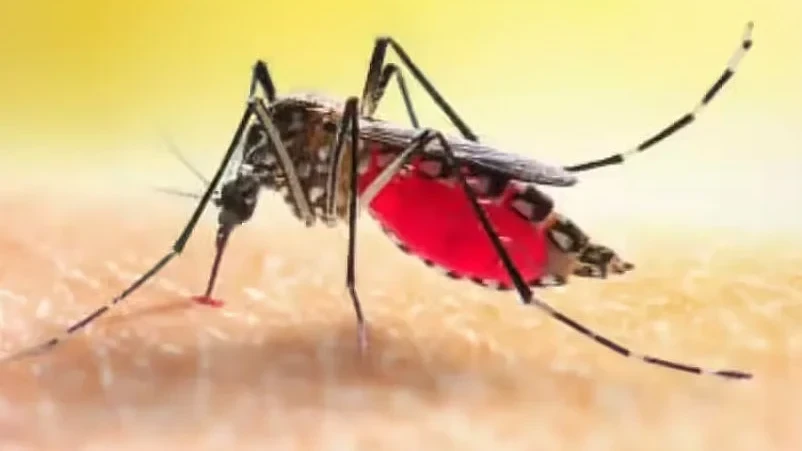
Japanese Encephalitis is a viral brain infection transmitted by mosquitoes, primarily Culex species. Symptoms can range from mild fever and headache to severe neurological complications, including seizures, paralysis, and in some cases, death. The disease typically sees a rise in cases during the monsoon and post-monsoon seasons, making timely surveillance and public awareness critical.
Officials have urged residents to take all necessary precautions, such as using mosquito nets, repellents, and ensuring proper sanitation to eliminate stagnant water sources that serve as breeding grounds for mosquitoes. This rapid response is crucial in mitigating the risk of further infections and protecting community health in the state capital.
Continue Reading