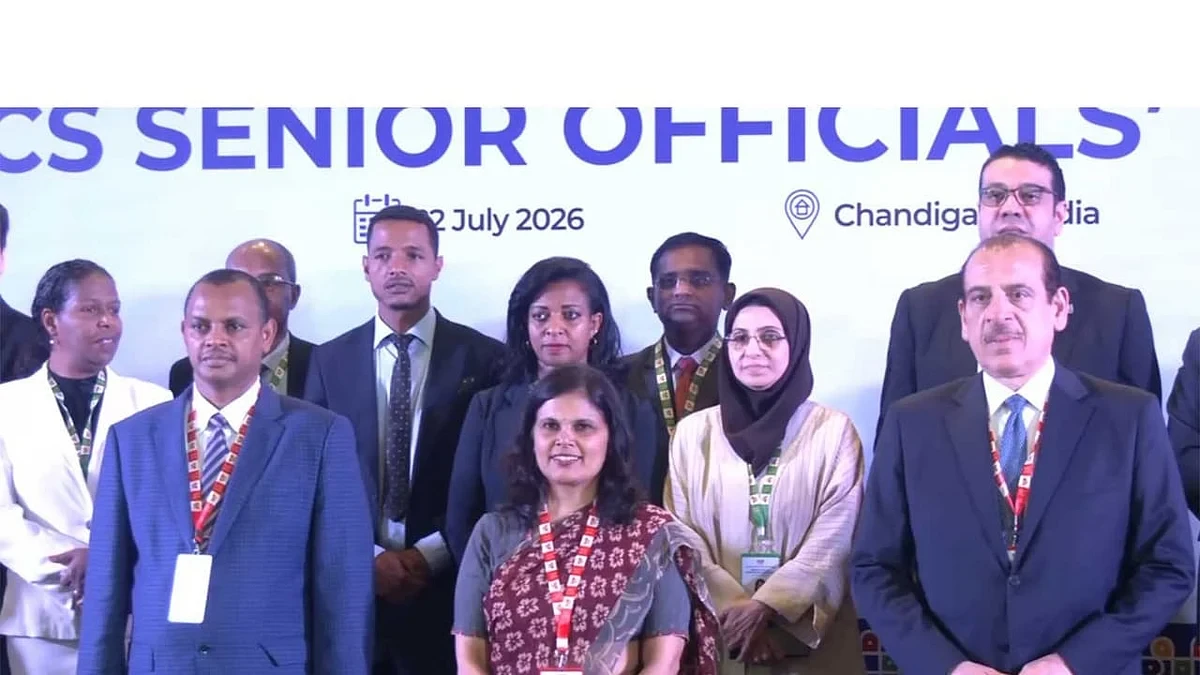
India has positioned mental wellness and the robust promotion of healthy lifestyles as central tenets of its health agenda within the BRICS framework. This strategic emphasis by New Delhi underscores a growing global recognition of holistic well-being as a critical component of public health frameworks worldwide.
The move highlights India's commitment to proactively addressing non-communicable diseases and psychological well-being, issues that have gained significant prominence globally, particularly in the wake of recent public health challenges. Officials involved in the discussions indicated that this focused approach aims to foster collaborative strategies among BRICS nations—Brazil, Russia, India, China, and South Africa—to collectively tackle these pervasive health concerns.
By prioritizing these crucial areas, India is actively encouraging member states to share best practices, research findings, and effective policy interventions designed to improve mental healthcare access and encourage healthier living habits across their diverse populations. This approach is anticipated to lead to joint initiatives that could significantly benefit millions within the BRICS countries, including regions like India's Northeast, by influencing national health policies and resource allocation.
The initiative is widely seen as a proactive step towards building more resilient and comprehensive health systems within the rapidly developing economies of the BRICS bloc. It moves beyond traditional disease-centric approaches to health, advocating for a broader understanding of well-being that encompasses psychological stability and robust preventive care. This leadership position taken by India reflects its increasing influence in global health diplomacy and its dedication to promoting a sustainable and equitable future for all. These discussions are expected to shape future collaborative projects and policy recommendations for the bloc's health strategy.
Continue Reading