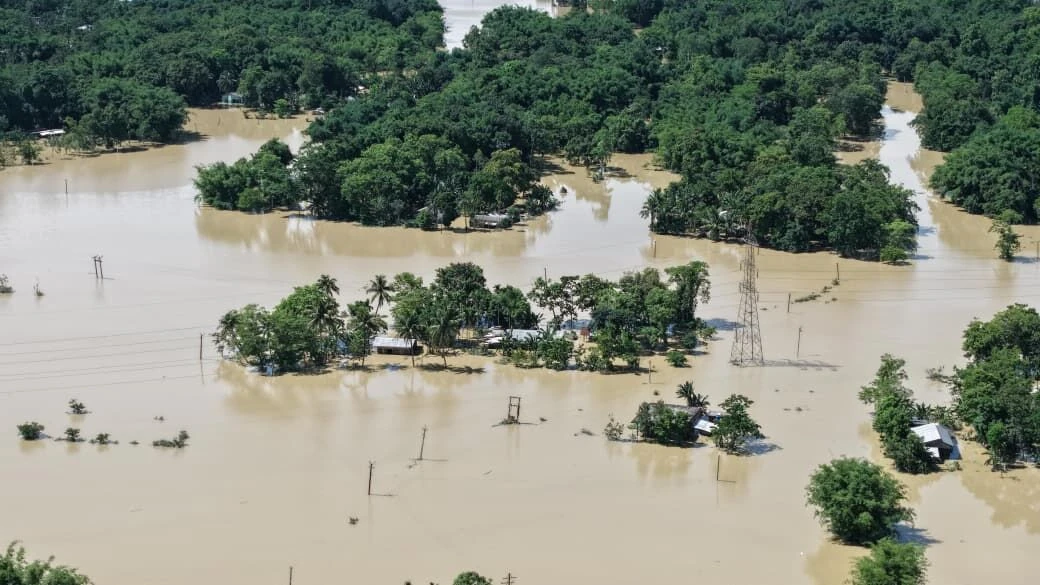
New Delhi: The National Disaster Management Authority (NDMA) has officially stated that the complete eradication of annual floods in Assam is not a feasible objective, attributing the recurring crisis to the state's distinctive geographical and hydrological features. While acknowledging this inherent challenge, the authority underscored the paramount importance of leveraging advanced technology and robust mitigation strategies to significantly reduce the impact of these devastating events.
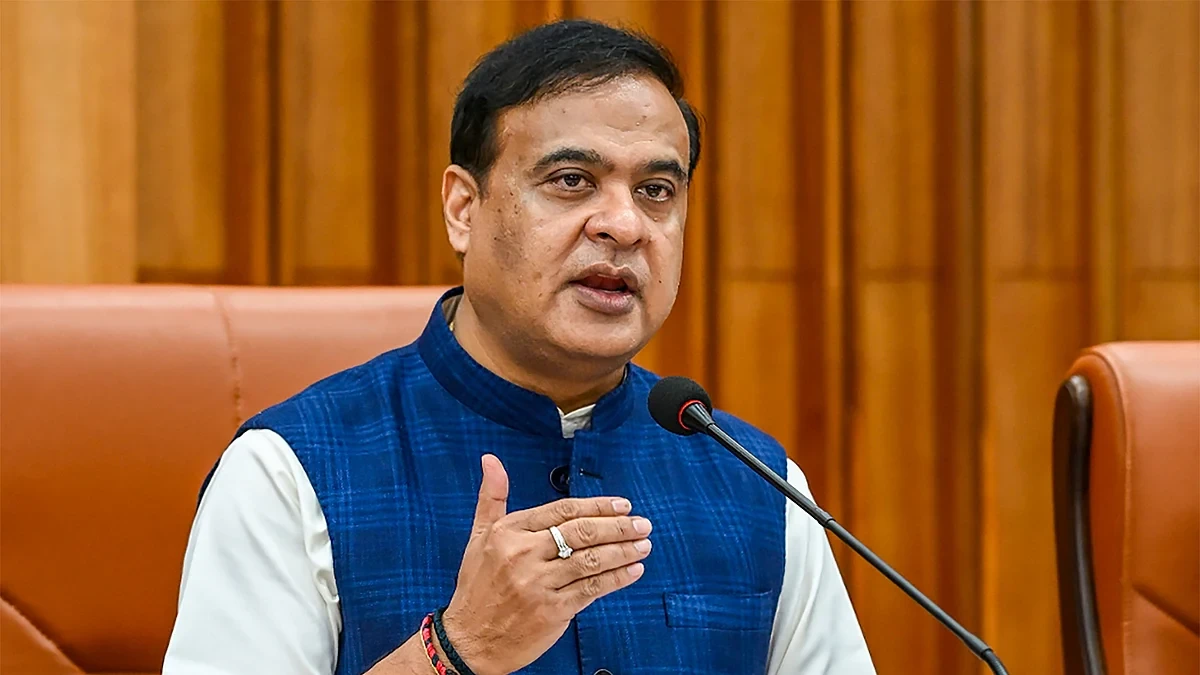
Speaking to the press in New Delhi on Friday, following the conclusion of the 3rd BRICS Disaster Risk Reduction Group's technical-cum-ministerial meeting, Dr. Krishna S. Vatsa, a prominent member and head of the NDMA, reiterated that Assam's perennial flood problem remains a significant concern at the national level. He emphasized that sustained scientific and technological interventions are crucial, rather than holding expectations of absolute flood prevention.
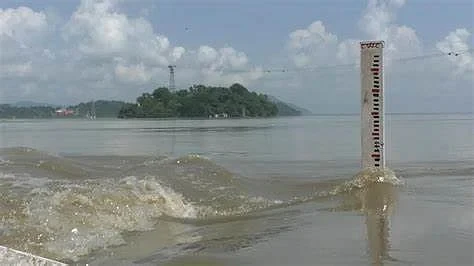
Dr. Vatsa elaborated on the underlying causes, pointing out that the state's topography, intricate river systems, and the extremely heavy monsoon rainfall characteristic of the northeastern region collectively render floods an unavoidable annual phenomenon. This combination of factors, he noted, creates a complex environment where water management presents unique challenges.
Highlighting collaborative efforts, Dr. Vatsa confirmed that the NDMA is actively working with the Government of Assam. He urged the state administration to adopt comprehensive technological upgradation to effectively mitigate the issue. This includes implementing cutting-edge early warning systems, improved drainage infrastructure, and community-based resilience programs.
The NDMA's candid assessment reinforces the long-standing understanding of Assam's vulnerability to natural disasters, particularly during the monsoon season. It signals a strategic shift towards impact reduction and adaptation, acknowledging the geographical realities while pushing for proactive, technology-driven solutions to safeguard lives and livelihoods in the flood-prone region.
Continue Reading