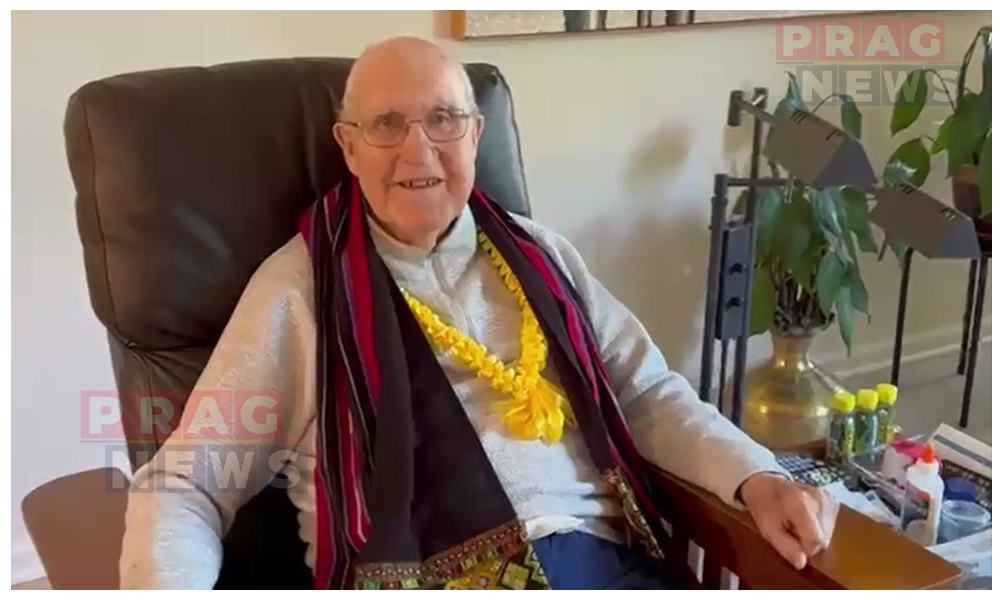
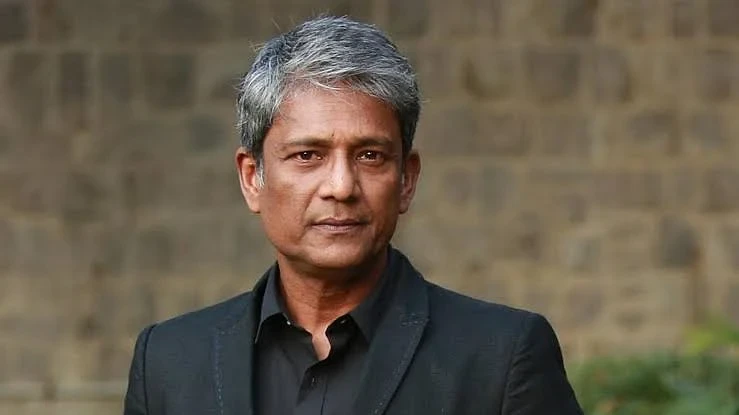
Actor Adil Hussain, a prominent voice from Assam in the Indian film industry, has sparked conversation with his recent observations on the nation's political landscape. Hussain posited that the country's political leadership is not an isolated entity but rather a direct manifestation of the society from which it originates. His remarks underscore a belief that politicians are intrinsically linked to the collective ethos of the populace.
Emphasizing that elected representatives are not external arrivals, Hussain articulated that they are products of the very communities they serve. This perspective implies a shared responsibility, suggesting that the prevailing political landscape mirrors the values, aspirations, and even shortcomings present within the broader societal fabric. His comments invite introspection into how citizens contribute to shaping the political discourse and leadership.
For PragNews readers, particularly those in Assam and the Northeast, Hussain's insights resonate with the ongoing discussions about governance and representation. As an artist known for his nuanced performances and often outspoken views, his commentary encourages a deeper examination of the symbiotic relationship between the electorate and those in power. He implicitly calls for a more engaged and self-aware citizenry.
Hussain's statement thus serves as a powerful reminder that the accountability for political outcomes extends beyond individual leaders to the collective consciousness of the nation. It suggests that any desire for change in political leadership must be accompanied by a corresponding evolution within society itself.
Continue Reading