
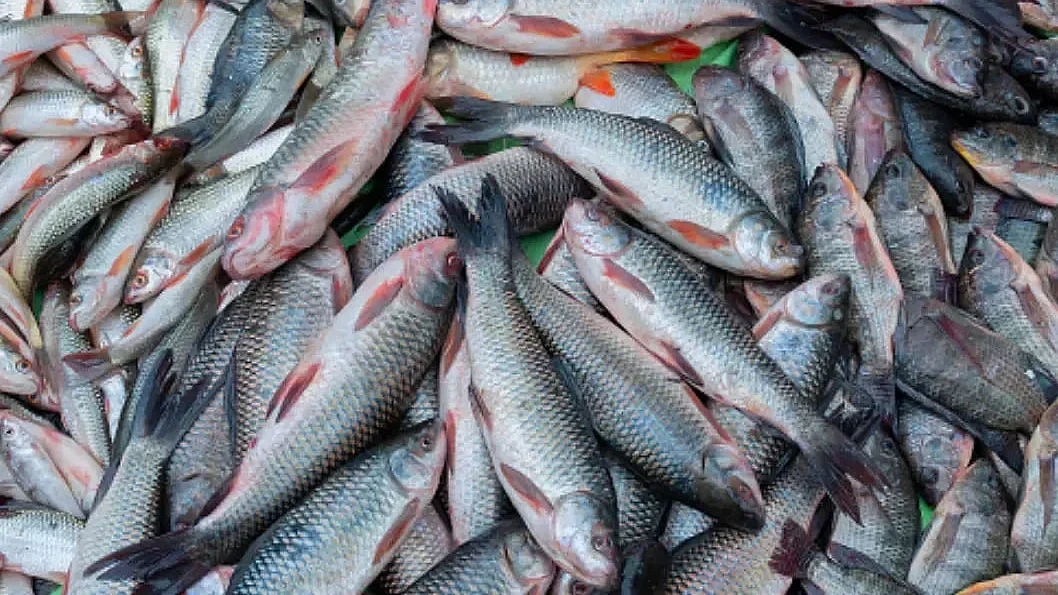
Assam's fisheries sector is currently navigating a peculiar economic paradox: celebrating record-breaking fish production while simultaneously grappling with a significant dependency on external imports. This scenario, where local output soars but market demand still necessitates supply from outside the state, presents a complex challenge for the region's economy and its aquaculture stakeholders.
Recent data indicates that Assam has witnessed substantial growth in its fish farming initiatives, leading to an all-time high in domestic production. This achievement underscores the success of various state-backed schemes and the dedicated efforts of local fish farmers and entrepreneurs. The increase in yield was anticipated to bolster the local economy, reduce reliance on external markets, and provide fresh, locally sourced fish to consumers.
However, despite these impressive production figures, a considerable volume of fish continues to be imported into Assam, primarily from other states. This ongoing influx suggests that local production, even at record levels, is either insufficient to meet the diverse and growing consumer demand, or there are gaps in the supply chain, processing, and distribution networks that prevent local produce from fully saturating the market.
The persistent import dependency carries significant economic implications. It means that capital that could otherwise circulate within Assam's economy, supporting local farmers and related industries, is instead flowing out. Local fish producers, despite their enhanced capabilities, may also face competitive pressures from imported varieties, potentially affecting their profitability and growth prospects. Addressing this imbalance between robust local production and continued import reliance will be crucial for the sustainable growth and economic self-sufficiency of Assam's vital fisheries sector.
Continue Reading