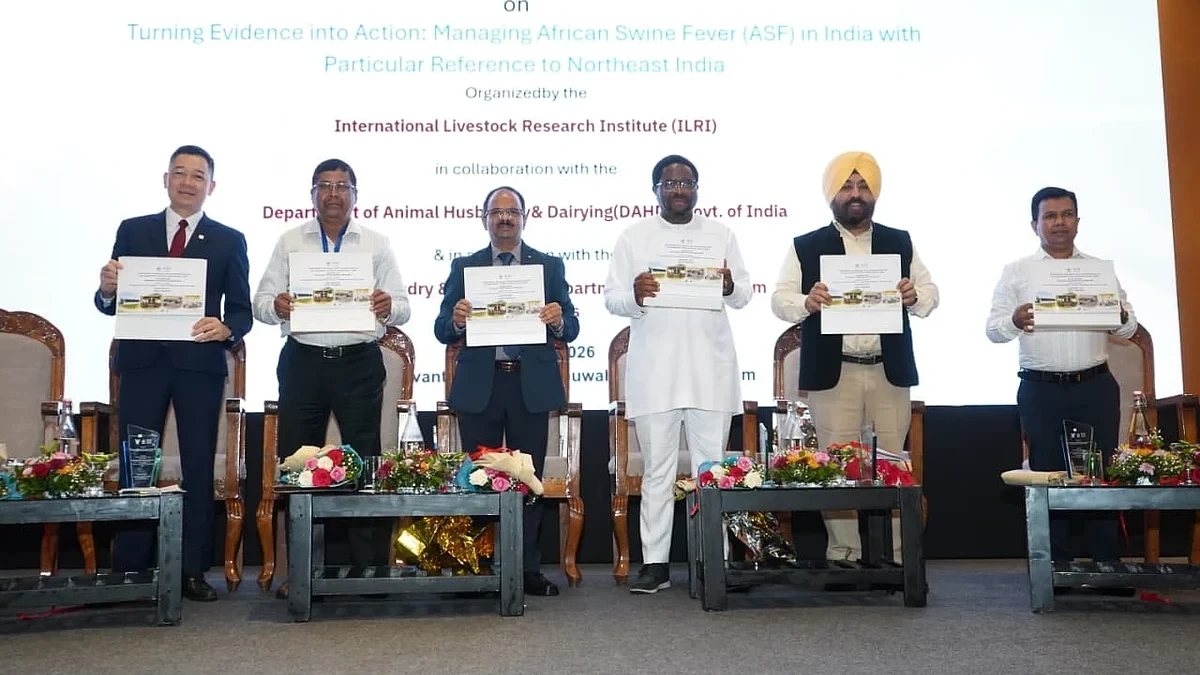
Guwahati, a pivotal hub in Northeast India, recently hosted a critical assembly of veterinary experts and national policymakers aimed at fortifying India's strategic response to African Swine Fever (ASF). The gathering underscored the urgent need for a unified and robust approach to combat the highly contagious viral disease that poses a significant threat to the country's pig farming sector.
The deliberations in the Assamese capital focused on enhancing surveillance protocols, improving rapid diagnostic capabilities, and developing effective containment and control measures. Participants engaged in extensive discussions to review existing policies and identify gaps, with a particular emphasis on creating a more resilient framework to protect both commercial and backyard pig farming communities.
Given Assam's substantial pig population and its vulnerability to ASF outbreaks, the choice of Guwahati as the venue for these crucial discussions highlights the regional importance of a well-coordinated national strategy. Experts shared insights on best practices for disease management, biosecurity enhancements, and the socio-economic impact of ASF on livelihoods, especially in the northeastern states where pig rearing is an integral part of the agricultural economy.
The consensus from the meeting pointed towards the necessity of greater inter-state cooperation, public awareness campaigns, and technological integration to proactively manage and mitigate future outbreaks. The outcome is expected to shape future policy directives, ensuring a more proactive and effective national defence against African Swine Fever, safeguarding animal health and the economic well-being of thousands of farmers across India.
Continue Reading