
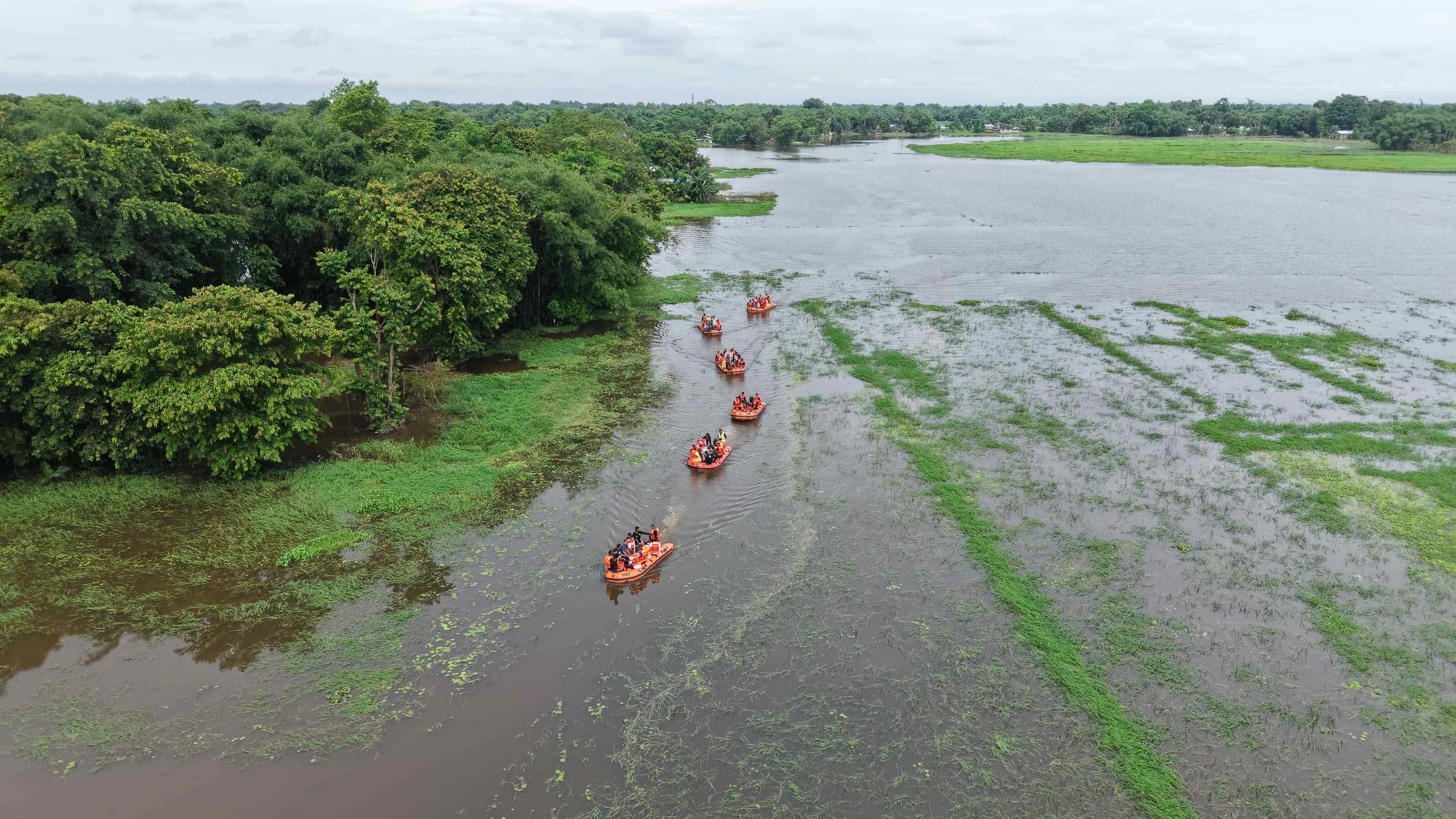
The recent devastating floods across Upper Assam have once again brought to the fore uncomfortable questions about the state's disaster management capabilities. Despite advanced meteorological forecasts, the deluge exposed significant gaps in translating early warnings into timely preparedness and effective on-ground action. Observers are now questioning why rescue operations appeared sluggish in reaching numerous affected communities, leaving many stranded and vulnerable.
This critical juncture prompts a broader inquiry into Assam's readiness for any major calamity, be it a flood, an earthquake, an industrial catastrophe, a chemical spill, or even a nuclear emergency. The underlying issue, as many experts suggest, is not about assigning blame but rather acknowledging the urgent need for a fundamental philosophical shift in how disaster management is approached across the state.
An early warning system's true success extends far beyond merely predicting rainfall levels or anticipating rising river gauges. Its efficacy is truly measured by its ability to trigger immediate, decisive actions, facilitate the rapid deployment of essential resources, and ensure the effective protection of both lives and property. While the India Meteorological Department (IMD) reportedly issued comprehensive heavy rainfall forecasts well in advance of the recent floods, the existence of a warning is only the initial step.
The real challenge lies in the administration's capacity to proactively develop impact models that can instantly predict which specific villages face inundation, identify vulnerable embankments, and determine which vital road networks will be rendered impassable. Without this crucial second layer of preparedness, early warnings, however accurate, fall short of their potential to mitigate disaster and safeguard communities. Assam's resilience in the face of increasingly frequent extreme weather events hinges on this paradigm shift towards comprehensive, action-oriented disaster preparedness.
Continue Reading