
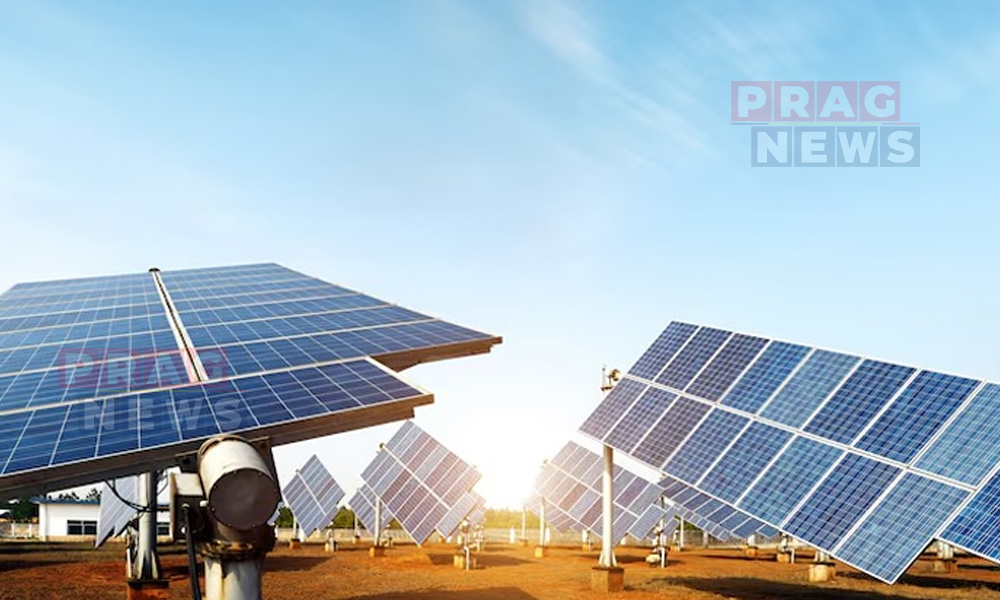
A rooftop solar system needs an inverter to convert the direct current (DC) generated by solar panels into alternating current (AC) that household and commercial appliances can use. In a grid-connected system, the inverter also manages the interaction between solar generation and the electricity grid.
A solar grid-tie inverter is designed specifically for this purpose. It allows solar electricity to be used on-site while enabling surplus generation to be exported to the grid through an approved arrangement.
Let’s look at the inverter types, sizing, and efficiency that can help users select a system that matches their solar capacity and electricity requirements.
What is a Solar Grid-tie Inverter?
A solar grid-tie inverter is an inverter designed to operate with a solar PV system connected to the electricity grid. It converts DC electricity from solar panels into AC electricity while synchronising its output with the grid.
During daylight hours, the solar system can supply electricity to connected loads. If generation exceeds immediate consumption, surplus electricity may be exported to the grid, subject to applicable regulations and metering arrangements.
Unlike an off-grid inverter, a standard grid-tie inverter does not normally provide backup power during a grid outage. It disconnects from the grid when the grid supply is unavailable as part of its safety protection.
What are the Different Types of Grid-tie Inverters?
Grid-connected solar systems can use different inverter configurations depending on system size, roof layout, and installation requirements.
● Single-phase Grid-tie Inverters
Single-phase inverters are commonly used for residential solar systems where the property's electrical connection is single-phase.
They are available in different capacities and can be selected according to:
○ Solar panel capacity
○ Household electricity consumption
○ Electrical connection
○ Available roof space
● Three-phase Grid-tie Inverters
Three-phase inverters are generally used for larger residential, commercial, and industrial installations with three-phase electrical connections.
A solar grid-tie inverter with a three-phase configuration can distribute converted solar electricity across the property's electrical system according to the installation design.
● String Inverters
String inverters connect groups, or strings, of solar panels to a central inverter. They are widely used because they offer a relatively straightforward system design and are available across different capacity ranges.
Their suitability depends on factors such as panel orientation, shading, and roof configuration.
How Do You Size a Solar Grid-tie Inverter?
Correct inverter sizing helps ensure that the inverter works effectively with the solar array. The inverter should not be selected solely based on the number of panels.
Consider these factors:
Solar Array Capacity
Start by determining the total DC capacity of the solar panels. The inverter's permitted PV input range should be compatible with the planned array.
Inverter Capacity
The AC output capacity should match the property's electricity requirements and the intended solar system design.
In some systems, the installed DC solar capacity may be higher than the inverter's AC rating. This is known as the DC-to-AC ratio or inverter loading ratio. The appropriate ratio depends on system design, location, equipment specifications, and expected generation conditions.
Maximum PV Input Voltage
The inverter should be able to safely accommodate the voltage produced by the connected solar strings. The maximum voltage must remain within the inverter's specified operating limits under expected temperature conditions.
MPPT Operating Range
Maximum Power Point Tracking (MPPT) helps the inverter identify the operating point at which the solar array can produce its available power effectively.
The panel string voltage should fall within the inverter's MPPT operating range for the intended operating conditions.
What Affects Grid-tie Inverter Efficiency?
Inverter efficiency indicates how effectively the device converts DC electricity from the solar array into usable AC electricity.
A solar grid-tie inverter can experience conversion losses, although modern models are designed to minimise them.
Efficiency can be influenced by:
● Inverter loading
● Input voltage
● Temperature
● Solar generation conditions
● System configuration
● Inverter age and condition
Maximum efficiency is not necessarily the same as efficiency under every operating condition. When comparing models, users should review the manufacturer's efficiency specifications and operating range.
What Safety Features Should You Check?
Grid-connected solar systems require protection features to ensure safe interaction with the electricity network.
Important features can include:
● Anti-islanding protection
● Overvoltage protection
● Overcurrent protection
● Short-circuit protection
● Over-temperature protection
● Grid monitoring
Anti-islanding protection is particularly important. If the grid supply fails, the inverter detects the abnormal grid condition and disconnects rather than continuing to feed electricity into the grid.
How Does a Grid-tie Inverter Affect Solar Energy Savings?
A grid-tie inverter does not generate electricity itself. Its role is to convert and manage the electricity produced by the solar panels.
The financial benefit of a grid-connected solar system depends on factors such as:
● Solar generation
● Household electricity consumption
● Electricity tariff
● System size
● Export or net-metering regulations
● Installation cost
Using solar electricity directly within the property can reduce the amount of electricity purchased from the grid. Surplus generation may be exported according to the applicable state and DISCOM framework.
Choose the Right Grid-tie Inverter for Your Solar System
A solar grid-tie inverter is central to the operation of a grid-connected solar system, converting solar-generated DC electricity into usable AC power and managing its interaction with the grid.
The right choice depends on inverter type, capacity, PV input range, MPPT configuration, efficiency, and safety features. Proper sizing is equally important because the inverter must be compatible with the solar array and the property's electrical requirements.
By comparing these specifications and considering the complete system design, users can select a solar grid-tie inverter that supports efficient and reliable solar energy generation. Grid-tie inverter solutions like Eastman Auto & Power Limited offer options for different residential and commercial solar requirements, helping users select a configuration based on their system capacity and energy needs.
Continue Reading