The Assam government has initiated financial relief for flood-affected families, releasing the first tranche of Rs 75,000 per household. This comes as residents of villages like Nepali Khuti grapple with the aftermath of devastating flash floods that swept through the region.
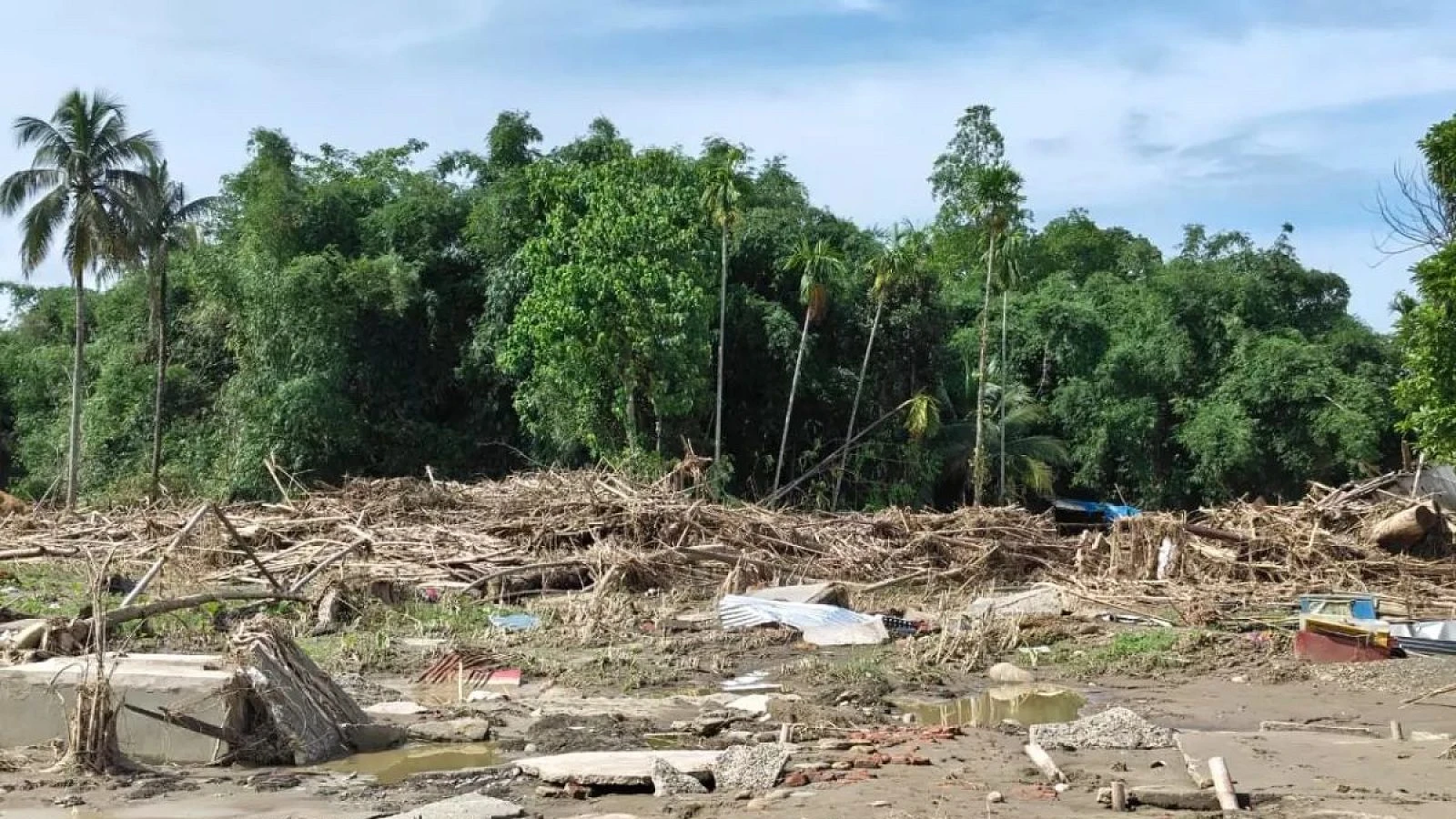
The Gorkha dairy village of Nepali Khuti, particularly hard hit, witnessed unprecedented destruction when the Dikhow river overflowed its banks. Within a mere two hours, water levels reportedly surged from knee-height to chest-height and beyond, engulfing homes, cattle sheds, and everything in its path. The sudden deluge completely destroyed livelihoods and infrastructure, leaving a trail of mud and debris.
As a community largely dependent on dairy farming, Nepali Khuti suffered an immense blow with the loss of nearly its entire cattle population. This has crippled milk production, which was the primary source of income for hundreds of families, threatening their long-term economic stability.
Survivors recount harrowing tales of being stranded on rooftops for hours before volunteers arrived with boats the following morning for rescue. Currently, many displaced families are living under makeshift tarpaulin shelters. Recovery efforts are severely hampered by the presence of thick mud, damaged homes, and the grim reality of decomposing animal carcasses, posing significant health and environmental challenges.
While official assistance has begun, villagers suggest that public donations have, to date, provided more immediate relief. The community is now urgently seeking durable building materials like tin sheets, new livestock to restart their livelihoods, and sustained financial support to rebuild their shattered lives and homes. The long road to full recovery for Nepali Khuti remains steep and challenging.
Continue Reading