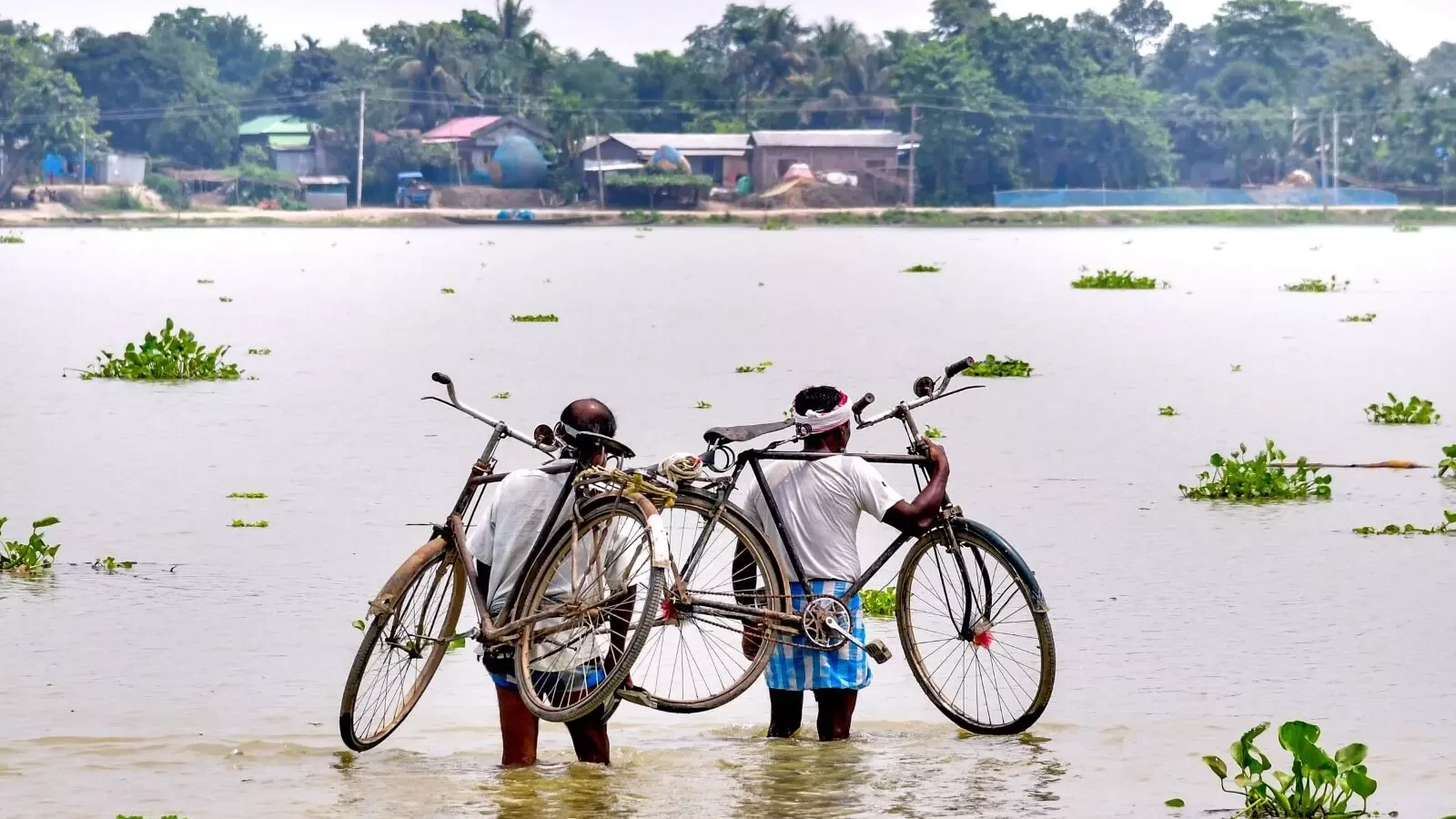

Year after year, Assam finds itself at the mercy of the Brahmaputra and its tributaries, as monsoon rains transform life-giving rivers into destructive forces. This annual cycle of devastation brings widespread suffering, displacing communities and eroding livelihoods across the state. Despite the relentless nature of this humanitarian challenge, the flood crisis in Assam often struggles to secure the consistent national focus and comprehensive, long-term strategies it urgently requires.
This year has been no different, with reports indicating thousands of families already impacted by the rising waters. Districts such as Sivasagar are once again bearing the brunt, where homes have been submerged, vast agricultural fields destroyed, and essential infrastructure severely damaged. Many residents recount losing possessions accumulated over decades, from vital documents to cherished belongings, as the floodwaters engulf their villages.
The human toll extends far beyond material losses. Students face the daunting prospect of replacing lost textbooks and school uniforms, while farmers watch months of hard work vanish beneath the deluge. Small businesses, the backbone of many local economies, grapple with the immense challenge of recovery. Critically, vulnerable groups—children, women, the elderly, and persons with disabilities—often endure the most profound hardships in relief camps, struggling for basic necessities and stability. Each submerged home tells a deeply personal narrative of resilience, loss, and the desperate search for safety.
As Assam continues to battle this recurring natural calamity, the need for a robust, coordinated national response that transcends immediate relief efforts and focuses on sustainable mitigation and rehabilitation becomes increasingly evident. The state's plea for enduring solutions and greater solidarity resonates louder with every passing monsoon.
Continue Reading