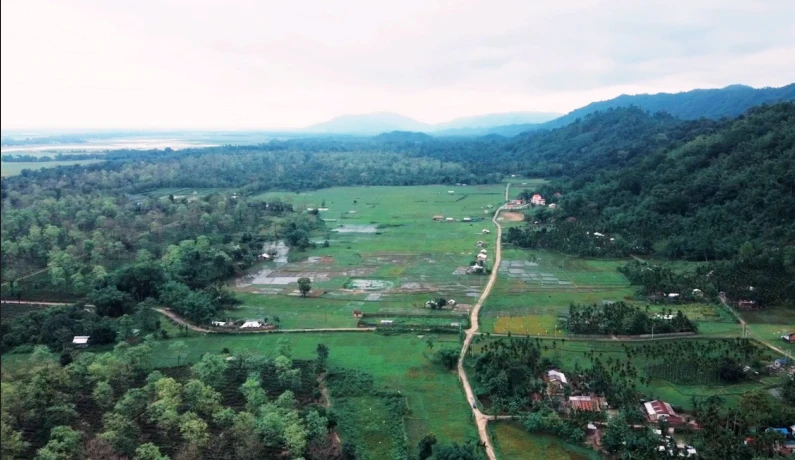
Assam, a cornerstone of India's vibrant Northeast, consistently remains a focal point for regional development and strategic discourse. Its geographical significance, bordering several countries and states, positions it as a crucial gateway, influencing connectivity and trade across the larger sub-region. The state's rich cultural tapestry and diverse communities further underscore its unique identity within the Indian mosaic.
Efforts within Assam are continually directed towards fostering sustainable growth and addressing long-standing developmental disparities. Focus areas frequently include bolstering infrastructure, enhancing educational access, and improving public health services. Concurrently, the state grapples with environmental considerations, including flood management and biodiversity conservation, given its location in a highly sensitive ecological zone. These challenges necessitate comprehensive planning and coordinated action from various stakeholders.
Economically, the state's potential lies in its natural resources, including tea, oil, and gas, alongside emerging sectors like tourism and handicrafts. Initiatives aimed at diversifying the economy and empowering local enterprises are often highlighted as key to unlocking greater prosperity. Furthermore, maintaining social harmony and ensuring equitable progress across all communities remain paramount objectives, reflecting the state's commitment to inclusive governance.
As Assam progresses, its role in India's Act East Policy gains increasing prominence, with discussions often revolving around enhancing cross-border linkages and fostering stronger economic ties with Southeast Asian nations. The state's journey is a dynamic one, marked by continuous efforts to balance modernization with the preservation of its distinct heritage, shaping its future trajectory as a significant entity within the Indian Union.
Continue Reading