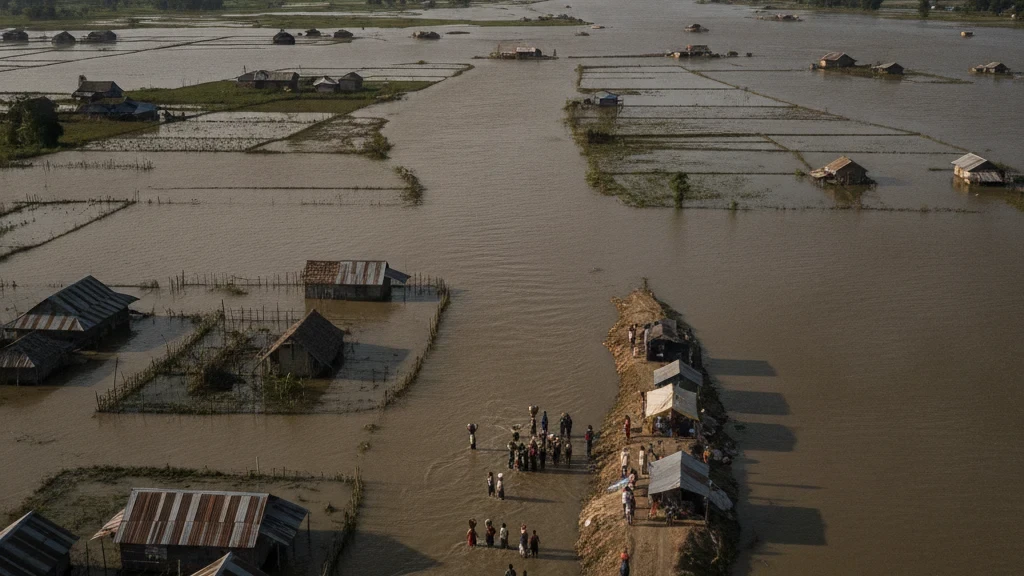
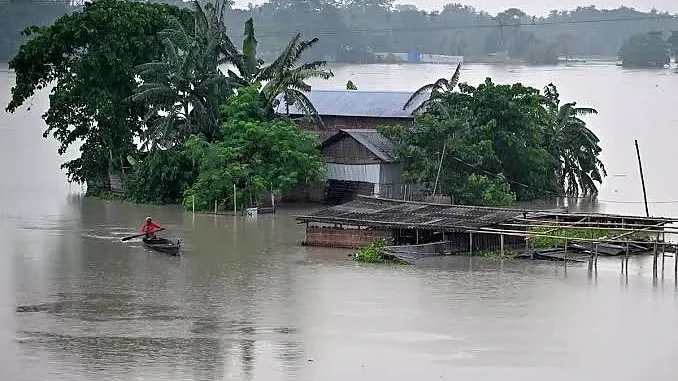
While the visible destruction wrought by Assam's catastrophic Monsoon 2026 floods has left a devastating trail across Upper Assam, including extensive damage to infrastructure, agriculture, and significant loss of human and animal life, a less apparent but profound crisis is quietly unfolding. The recent deluge, deemed the worst in the last fifty years, deeply impacted multiple districts, with the historic town of Sivasagar witnessing not only widespread physical devastation but also a severe blow to its timeless Ahom heritage.
Even as the floodwaters begin to recede from affected areas, residents continue to grapple with immediate health issues. Stagnant water and a persistent lack of clean drinking water are contributing to a surge in water-borne and vector-borne diseases, alongside various injuries. However, amid these pressing physical concerns, the emotional and psychological toll on survivors often remains unaddressed.
Reports suggest that the mental health implications for individuals who have endured such cataclysmic events are substantial. Survivors frequently experience a range of psychological distress, from anxiety and depression to post-traumatic stress. This phenomenon, where the psychological aftermath of natural disasters becomes a significant public health concern, has been increasingly recognized globally over the past two decades. Addressing these unseen scars requires dedicated attention and resources to help communities in Sivasagar and other affected regions rebuild not just their physical infrastructure but also their mental well-being.
Continue Reading