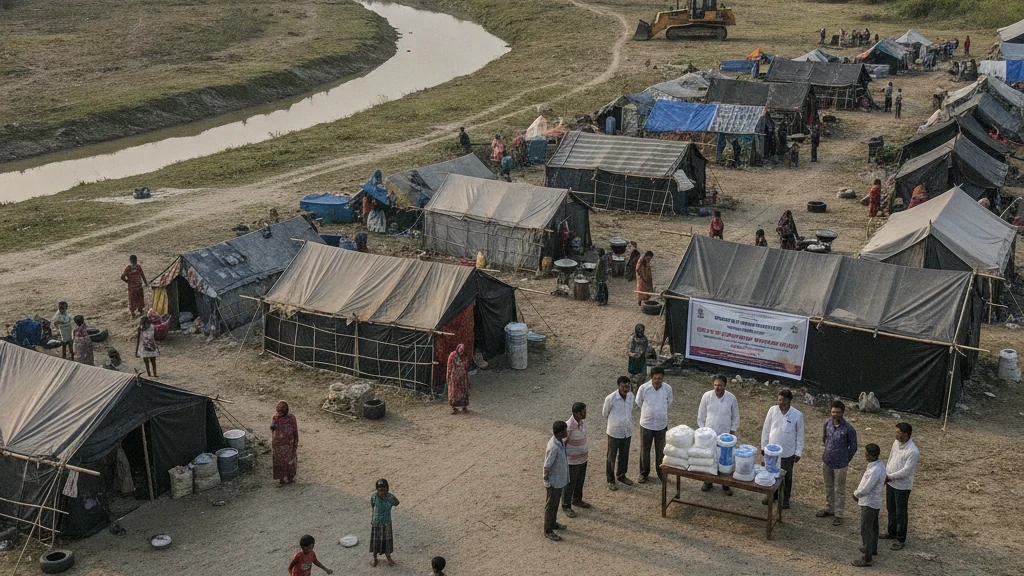
In a significant ruling, the Gauhati High Court has instructed the Assam government to ensure that families affected by recent eviction drives in Goalpara district are provided with basic facilities. The directive underscores the judiciary's role in addressing humanitarian concerns arising from such operations.
The court's order necessitates immediate action from the state administration to cater to the fundamental needs of the displaced population. While the specific details of the 'basic facilities' were not elaborated in the initial directive, it is understood to encompass essential provisions such as temporary shelter, access to clean water, sanitation, and possibly food assistance, aiming to mitigate the immediate hardships faced by those rendered homeless.
Eviction drives have been a recurring and often contentious issue across various parts of Assam, frequently undertaken by the state government to clear encroached lands or facilitate development projects. These drives, while sometimes necessary for administrative purposes, often leave a significant number of people, including women and children, in vulnerable situations without immediate alternative arrangements.
The High Court's intervention in the Goalpara matter highlights the imperative for a humane approach during such governmental actions. It places a legal obligation on the Assam government to not only carry out its administrative duties but also to simultaneously ensure the welfare and basic rights of its citizens, especially those adversely impacted by state policies.
This directive is expected to prompt a review of existing protocols for post-eviction relief and rehabilitation, potentially setting a precedent for future eviction exercises across the state. The focus now shifts to how swiftly and effectively the Assam government will implement these crucial instructions to support the affected families in Goalpara.
Continue Reading