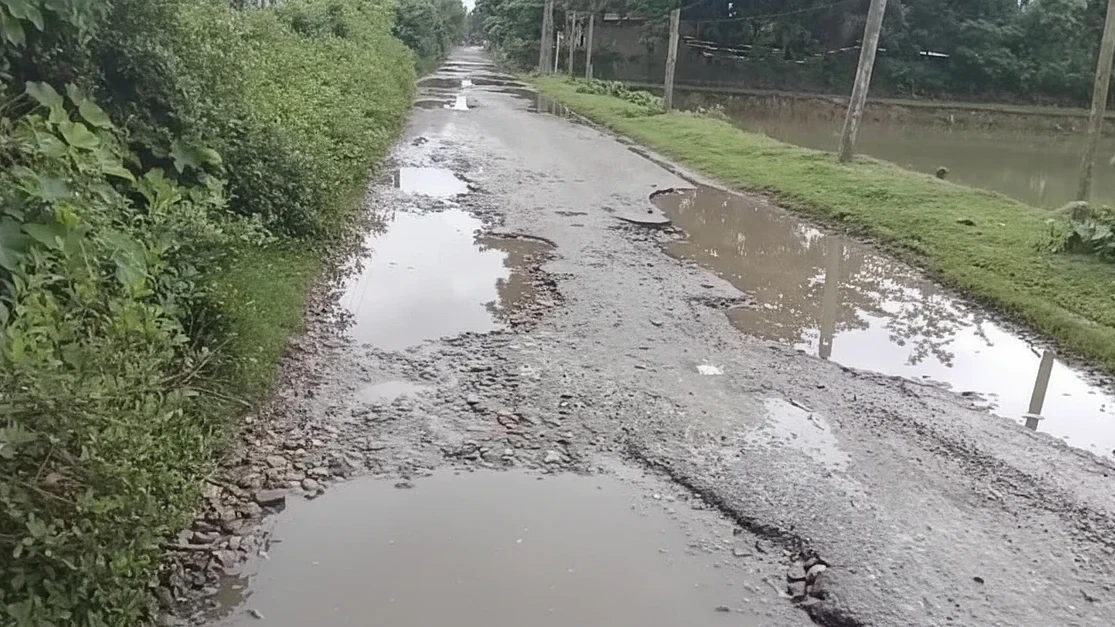
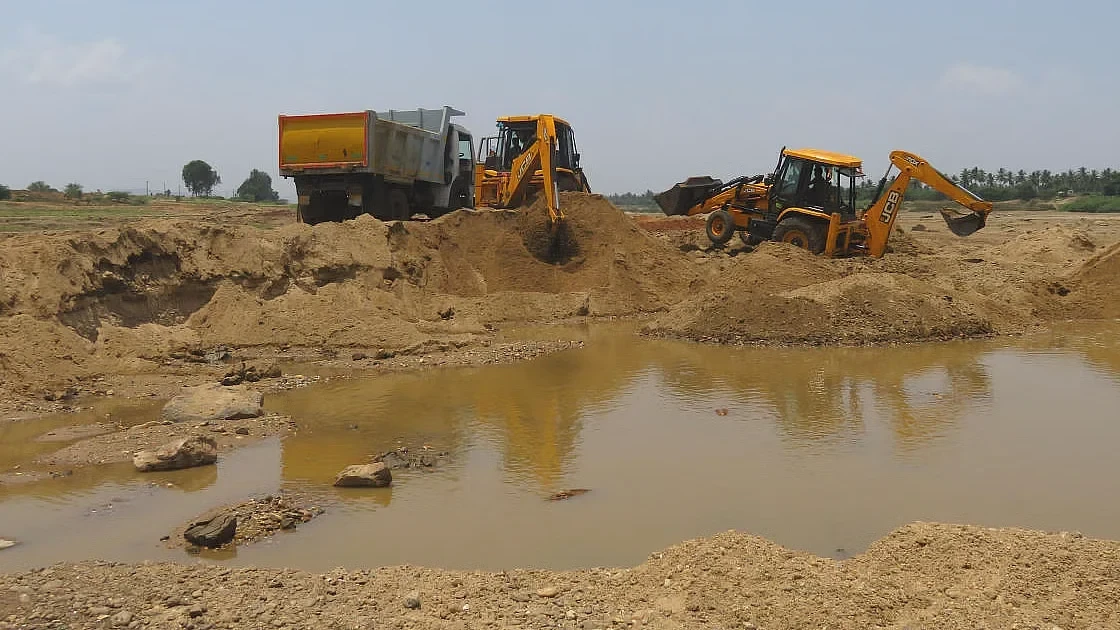
Illegal sand mining activities continue to thrive along the Kopili River in Assam, particularly in the vicinity of Rani, despite consistent efforts by state authorities to curb such illicit operations. Reports indicate that these unauthorized extraction activities persist unabated, posing a significant challenge to environmental protection and revenue generation in the region.
The Kopili River, a vital waterway in Assam, has long been a target for illegal miners who exploit its sand deposits, often employing methods that disregard environmental regulations and cause ecological damage. While the government has periodically initiated crackdowns, including raids and seizures of equipment, the operations appear to resume quickly, often under the cover of darkness or in remote stretches of the river, suggesting a sophisticated network.
This unchecked extraction not only leads to severe riverbank erosion and alters the natural course of the river but also impacts aquatic life and the overall biodiversity of the area. Furthermore, the state exchequer suffers considerable losses in potential revenue that would otherwise be generated through legal mining leases and royalties. The thriving black market for sand also creates an unfair playing field for legitimate businesses.
Local communities and environmental activists have repeatedly voiced concerns over the long-term repercussions of these activities, urging more stringent and sustained enforcement measures. The persistence of illegal sand mining near Rani underscores the need for a multi-pronged approach involving enhanced surveillance, stricter penalties, and community engagement to safeguard the Kopili River's delicate ecosystem for future generations.
Continue Reading