
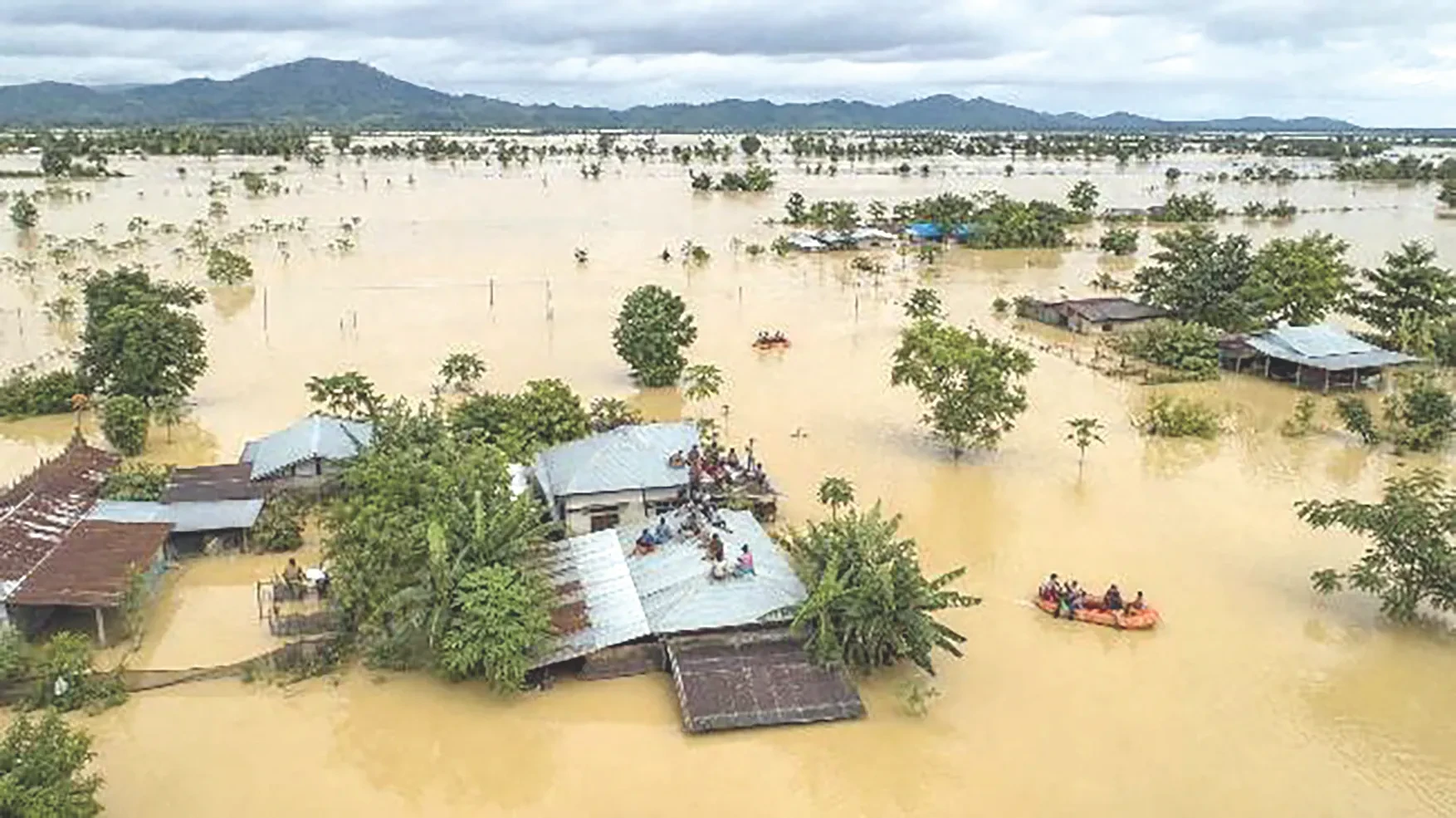
Recent catastrophic floods that submerged districts across Upper Assam, including Jorhat, Sivasagar, and Charaideo, have ignited a fervent debate regarding their underlying causes. Initial public discourse, particularly on social media, quickly pointed fingers at cloudbursts occurring in neighboring Nagaland as the primary trigger for the widespread inundation.
However, this attribution has faced significant scrutiny. The Konyak Union, representing a prominent community in Nagaland, issued a robust statement on July 31, firmly refuting these allegations and expressing strong disapproval of claims blaming their region for the deluge. Adding to this, Assam Chief Minister Himanta Biswa Sarma, who had initially inferred a potential link between cloudbursts in the hills and the floods, subsequently retracted his statement. He clarified that reports from the India Meteorological Department (IMD) indicated no such cloudburst events had occurred.
This clarification underscores the importance of scientific assessment in understanding complex natural phenomena. It also brings to light previous instances where the Chief Minister had attributed flood events in Guwahati to heavy downpours in upstream Meghalaya, highlighting a recurring pattern of seeking causes in neighboring hill states. The latest IMD data thus redirects the focus from speculative blame towards a more evidence-based analysis of the factors contributing to Assam's recurring flood challenges.
Continue Reading