
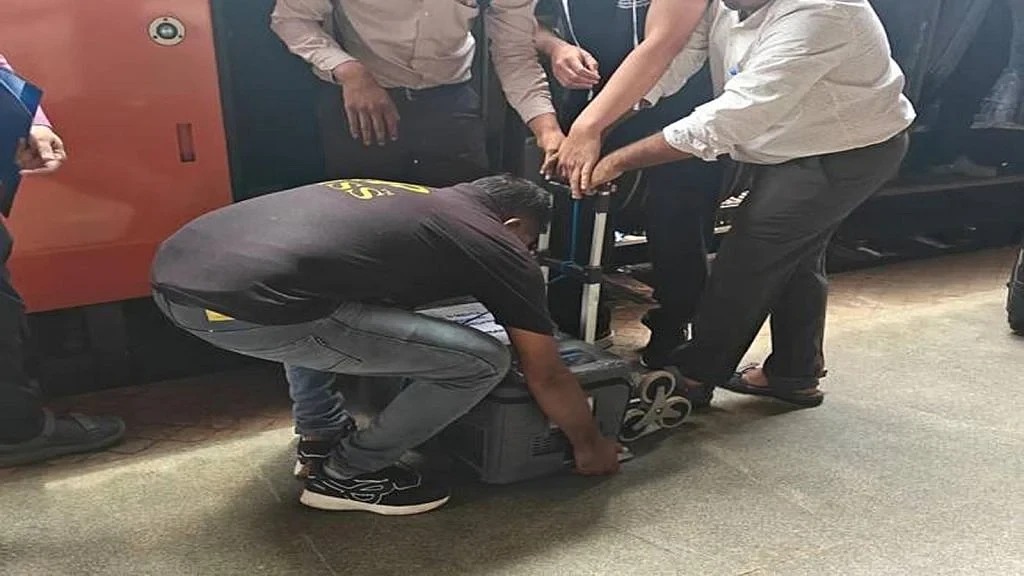
Indian Railways has achieved a historic milestone, successfully facilitating the nation's inaugural transport of a live donor heart via train. This unprecedented logistical feat is set to revolutionize organ transplantation in India, offering a swift and reliable alternative for critical medical transfers where every second counts.
The specialized operation involved meticulous coordination and rapid deployment to ensure the viability of the donated organ. While specific details of the journey, including its origin and destination, were not immediately disclosed, officials underscored the precision and speed required to move a live heart, which has a very limited window for transplantation. This method bypasses potential delays associated with road traffic and, in some cases, offers a more accessible option than air travel, particularly for inter-city transfers within a certain range.
This development holds immense promise for patients awaiting life-saving transplants across India. For regions like Assam and the broader Northeast, where geographical challenges and connectivity can sometimes impede rapid medical logistics, the introduction of train-based organ transport could prove transformative. It provides a new avenue to bridge distances efficiently, potentially reducing transplant wait times and increasing the success rate of complex procedures by ensuring organs reach their destination in optimal condition.
Medical experts and railway officials alike view this successful mission as a blueprint for future organ transportation initiatives. It demonstrates the potential for leveraging existing infrastructure to support critical healthcare needs, paving the way for a more robust and responsive organ donation ecosystem nationwide. This pioneering effort by Indian Railways is expected to inspire further innovations in medical logistics, ultimately saving countless lives.
Continue Reading