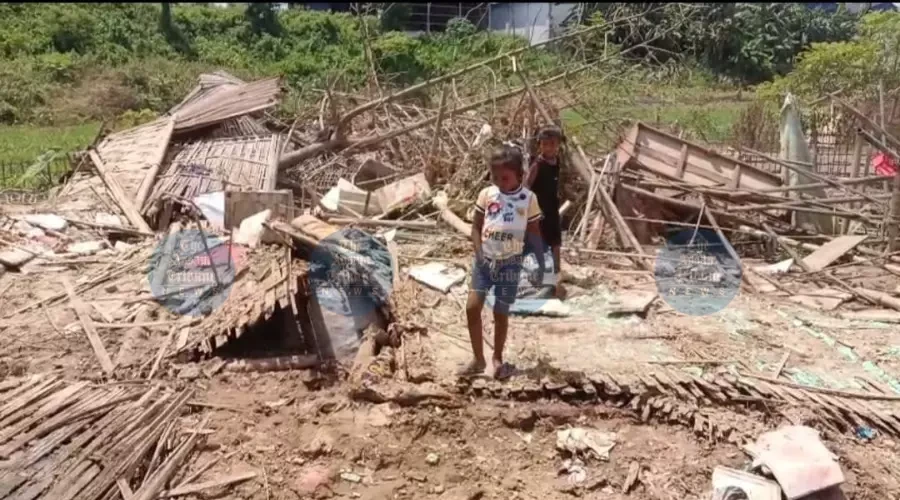
For families returning to Panigaon village in Jorhat's Chelenghat area, the Assam government's recent announcement of a six-month loan repayment moratorium offers a glimmer of relief, yet it pales in comparison to the immense losses suffered during the recent floods. Dozens of households in this Mariani locality, identified as among the worst-hit, are grappling with the complete destruction of their homes, livestock, and personal belongings.
Reports from the ground indicate that approximately 60 to 70 families, who had sought refuge in relief camps, have returned to scenes of utter devastation. Houses are either severely damaged or entirely washed away, while livestock, a critical source of income for many, perished in the deluge. The floodwaters spared little, sweeping away essential household items, furniture, and crucially, schoolbooks and important documents belonging to children, leaving families uncertain about how to even begin rebuilding their lives.
The emotional toll is profound, with many flood victims breaking down as they recounted their ordeals. One resident, who had invested in a poultry and duck rearing venture through a loan, expressed deep despair. "I don't know how I managed to stay alive," the villager lamented, highlighting the immediate struggle for survival. "We have nothing to eat. How are we supposed to survive?" Another resident echoed the sentiment of complete loss, stating, "None of our livestock survived. Somehow, we managed to save our lives, but everything else is gone. Our children have lost all their books, notebooks, desks and chairs."
While the loan moratorium aims to ease financial pressure, the immediate challenge for these families is existential. With homes destroyed and livelihoods erased, the path to recovery in Panigaon appears long and arduous, demanding more comprehensive support beyond temporary financial reprieves.
Continue Reading