
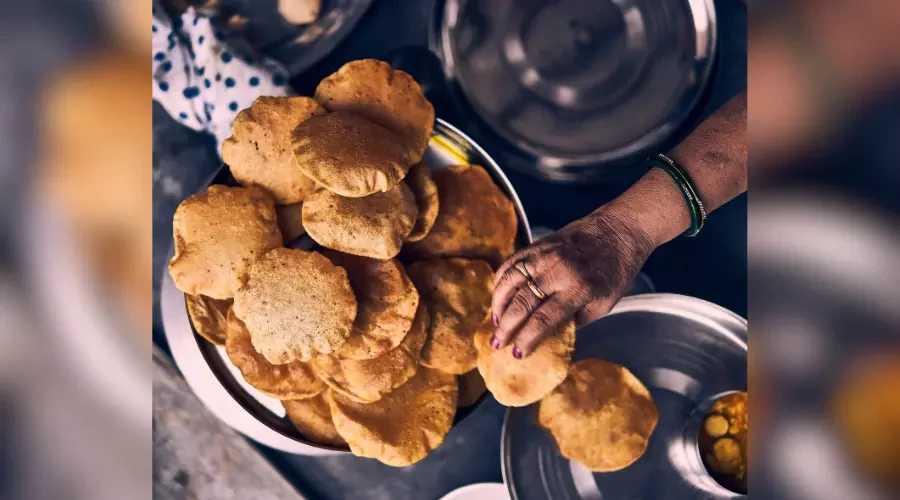
Across countless Indian households, a familiar and often unacknowledged ritual unfolds as meals are served. Plates are arranged, and alongside them, an array of spoons, forks, and knives are meticulously placed. Yet, as the aroma of freshly prepared food fills the air, a subtle pause often descends upon the diners.
Eyes might meet, a silent question passing between individuals: How should one begin? Will the meal commence with the polite clink of cutlery, or will hands, washed and ready, embrace the food in a manner deeply rooted in centuries of tradition? There are no overt instructions, no stated rules; instead, a collective anticipation seems to hang in the air, awaiting a silent cue.
It is in this moment of quiet deliberation that the power of example becomes evident. When one person, perhaps without conscious thought, simply sets aside the available cutlery and begins to eat with their hands, a remarkable shift often occurs. Others at the table, who might have already picked up a spoon, might gently put it down. A smile might be exchanged, and soon, several diners follow suit, their initial hesitation giving way to a more natural, perhaps even desired, approach.
Within minutes, the table transforms. What might have started as a formal setting often evolves into a more relaxed, communal experience, almost as if everyone had been waiting for this unspoken permission to connect with their food in a more tactile, intimate way. While the practicality of cutlery is undeniable, particularly for certain dishes or formal occasions, this pervasive social dynamic suggests that the choice extends beyond mere convenience. It often touches upon a deeper cultural comfort, a shared heritage that many are simply waiting for an unspoken signal to embrace.
Continue Reading