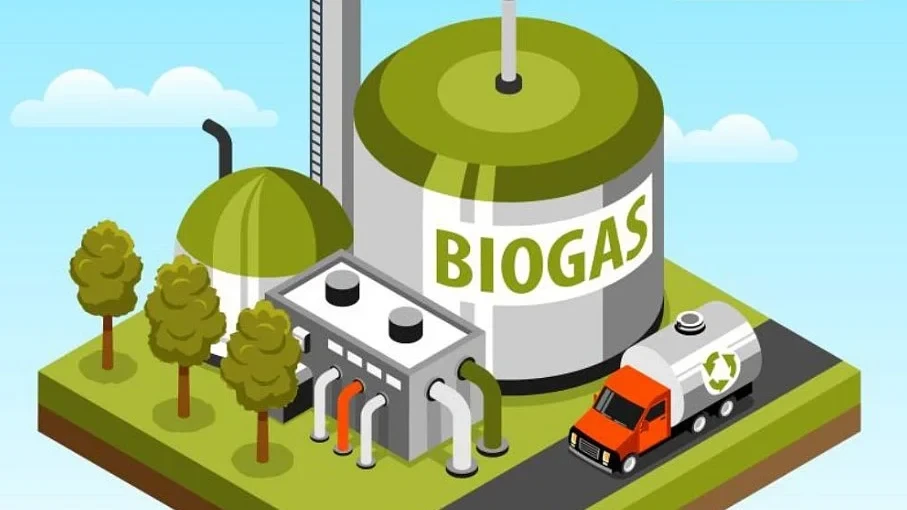
The Assam government has initiated a forward-thinking policy designed to significantly boost the production of compressed biogas (CBG) across the state. This strategic move is poised to transform organic waste into a valuable energy resource, laying the groundwork for a robust circular economy.
The newly unveiled policy underscores the state's commitment to sustainable practices, focusing on converting various forms of organic waste – including agricultural residues, municipal solid waste, and industrial effluents – into clean, renewable energy. By incentivizing the establishment of CBG production units, Assam aims to address multiple challenges simultaneously: effective waste management, reduction in greenhouse gas emissions, and the creation of new economic opportunities, particularly in rural areas.
Officials anticipate that the policy will attract investments in green energy infrastructure, thereby generating employment and fostering local entrepreneurship. The emphasis on a circular economy means that resources currently considered waste will be reintegrated into the economic cycle, contributing to energy security and reducing reliance on conventional fossil fuels. This initiative is expected to play a crucial role in Assam's journey towards achieving its environmental goals while also bolstering its energy independence.
By championing the conversion of waste into wealth, Assam is setting a precedent for other regions, demonstrating a practical approach to environmental stewardship and economic growth. The long-term vision is to create a self-sustaining ecosystem where waste is seen not as a problem, but as a key ingredient for a cleaner, greener, and more prosperous future for the state.
Continue Reading