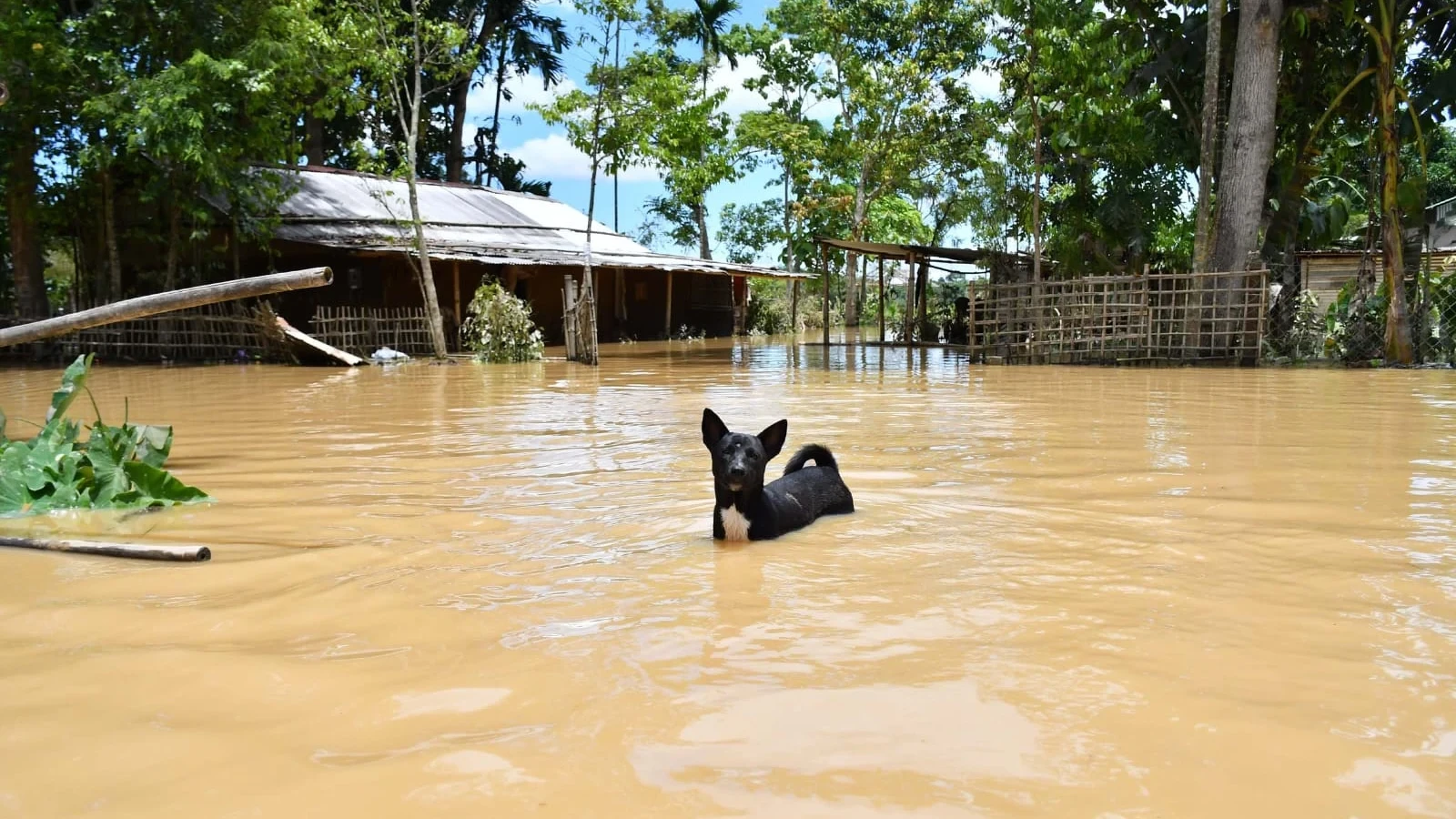
Every monsoon season, Northeast India grapples with a familiar cycle of heavy rainfall and widespread flooding, a recurring phenomenon that profoundly impacts states like Assam. While the annual deluge invariably sparks discussions about water management and inter-state dynamics, the immutable laws of nature, particularly gravity, play a pivotal and often underappreciated role in this regional challenge.
Geographically, states like Meghalaya, situated on higher plateaus, naturally channel rainwater downstream towards the plains of Assam. This hydrological reality, where water consistently flows from elevated terrain to lower altitudes, predates modern administrative boundaries, political discourse, or social media debates. It's a fundamental aspect of the region's topography, much like water flowing from a rooftop to the ground below.
However, the narrative extends beyond mere natural processes. Human activities increasingly exacerbate the severity and impact of these floods. Rapid and often unplanned urban expansion has led to the encroachment upon natural wetlands, which historically served as crucial flood retention zones. Deforestation in catchment areas, coupled with the silting of riverbeds, diminishes the land's capacity to absorb and manage excess water. Furthermore, inadequate and often clogged drainage systems in burgeoning towns and cities fail to cope with the monsoon's intensity, transforming predictable rainfall into devastating urban floods.
Addressing Assam's persistent flood woes requires a holistic approach that acknowledges both the undeniable forces of nature and the significant human contributions to the problem. With weather departments consistently forecasting monsoon patterns, strategic urban planning, robust infrastructure development, and sustainable environmental practices are imperative to mitigate the annual devastation and build resilience across the region.
Continue Reading