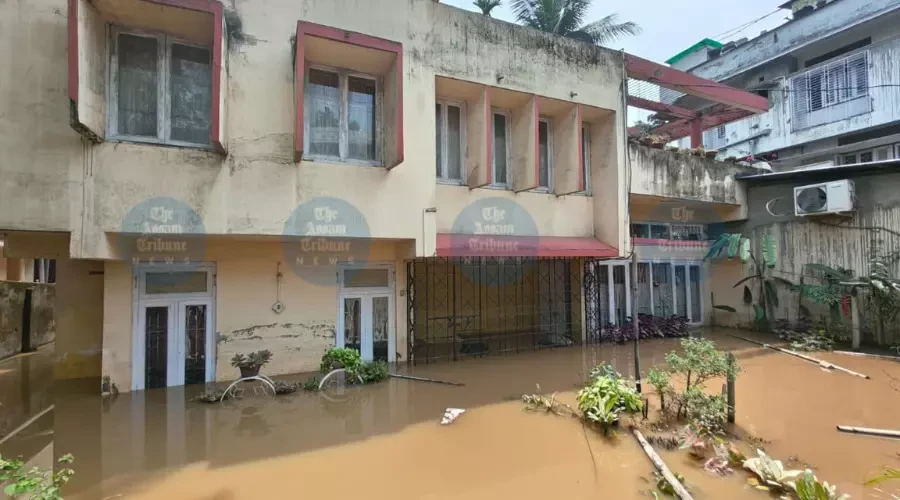
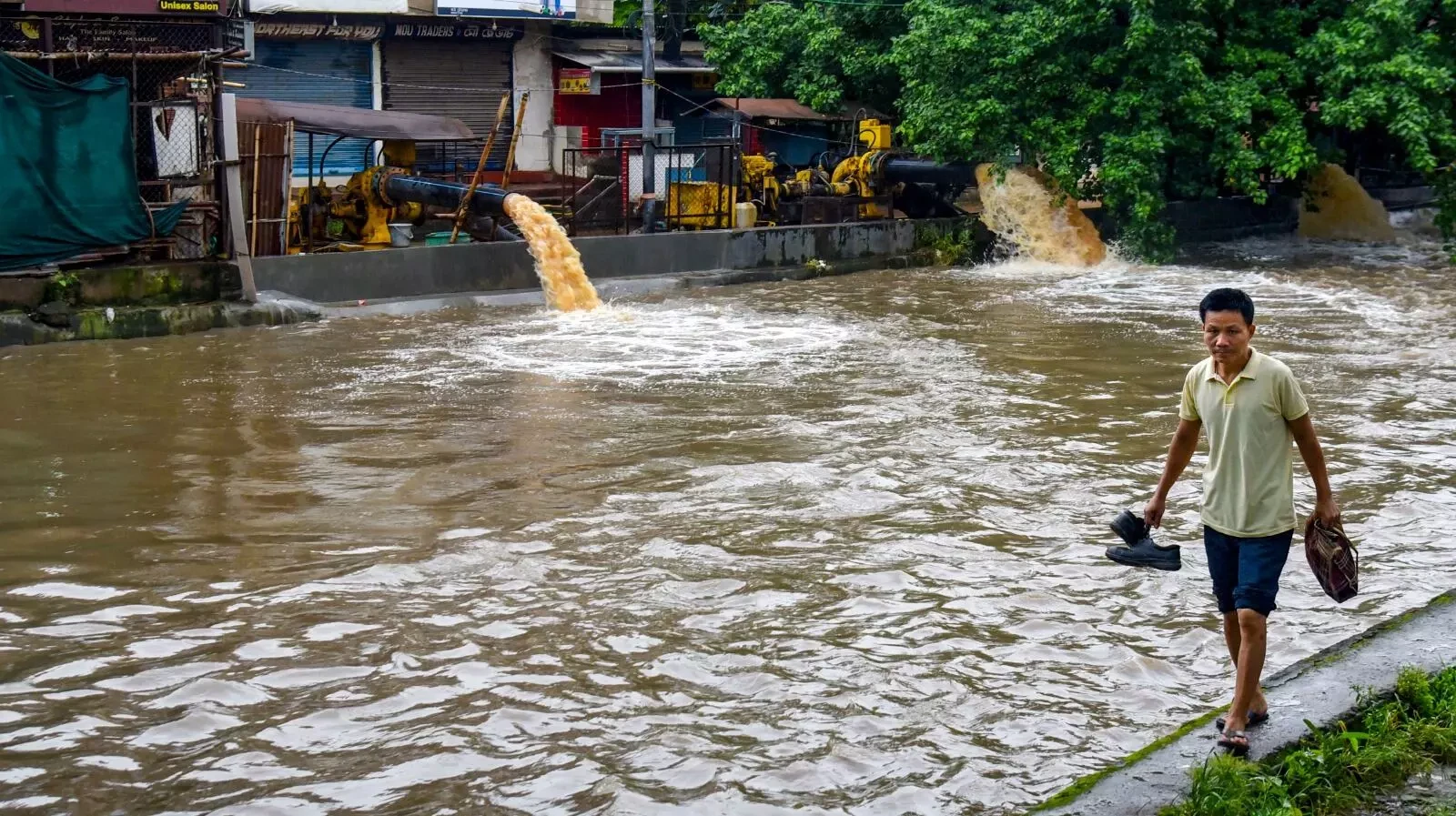
Guwahati once again grappled with severe artificial flooding on Tuesday morning, as a fresh spell of rain overnight submerged major thoroughfares and residential areas, bringing daily life to a grinding halt. The familiar scene saw emergency services deploying boats in inundated streets, while countless commuters struggled to navigate waist-deep water.
For many city residents, the latest deluge came as little surprise. Observations suggest that even 20 to 30 minutes of steady rainfall is now sufficient to trigger widespread waterlogging across the Assamese capital. One office-goer in Nabin Nagar recounted wading through chest-high water, carefully carrying his shoes and dry clothes to preserve them from the floodwaters.
In response to the recurring crisis, the Assam government has reiterated promises of a scientific assessment of Guwahati's drainage network, alongside immediate desiltation efforts and long-term strategies to combat the city's seemingly endless cycle of inundation. However, public frustration remains palpable. A resident, reflecting on the situation, noted that despite "crores of rupees" being allocated and spent on flood mitigation, tangible improvements are rarely seen. He pointed to extensive deforestation on the hills surrounding Guwahati as a significant factor, contributing to rapid runoff that overwhelms the city's drainage, drawing parallels to how Jorabat experiences similar issues from water flowing down from Meghalaya.
The latest incident underscores the urgent need for effective, sustainable solutions to Guwahati's perennial flooding problem, which continues to disrupt lives and economy year after year.
Continue Reading