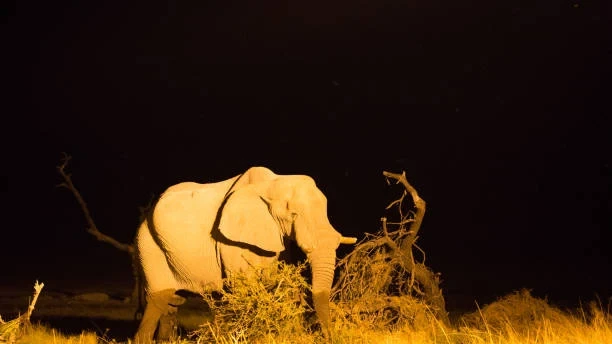
Guwahati: Assam is once again grappling with the severe repercussions of human-elephant conflict following the tragic deaths of two individuals in separate incidents across Kamrup and Karbi Anglong districts. The fatalities, reported on Monday, underscore the escalating challenges faced by communities living near forest areas and the persistent threat posed by straying wild elephants.
In Kamrup district, 60-year-old Bholanath Das was fatally trampled by a wild elephant in the early hours near the Sanpara-Kochpara area of Palashbari. According to local accounts, the elephant had reportedly strayed from its natural habitat in a nearby forest, attacking Das and leaving him critically injured. He later succumbed to his injuries, highlighting the sudden and often fatal nature of such encounters.
Another life was lost in Karbi Anglong district under similar circumstances, though specific details of the victim were not immediately available. Both incidents highlight the increasing frequency and intensity of encounters between humans and wild elephants, which often prove fatal for both sides.
These recent tragedies have intensified calls for more effective and sustainable solutions to mitigate the growing crisis. Environmental experts and local officials have long pointed to habitat loss, fragmentation of elephant corridors, and increasing human encroachment into forested lands as primary drivers of this conflict. The state, known for its rich biodiversity, particularly its significant elephant population, frequently witnesses such unfortunate events.
While conservation efforts aim to protect the endangered Asian elephants, the encroachment of human settlements into their natural habitats, coupled with issues like deforestation and agricultural expansion, creates volatile flashpoints. This persistent dilemma necessitates a multi-pronged approach involving community awareness, habitat restoration, and improved early warning systems to prevent further loss of life for both humans and the majestic animals.
Continue Reading