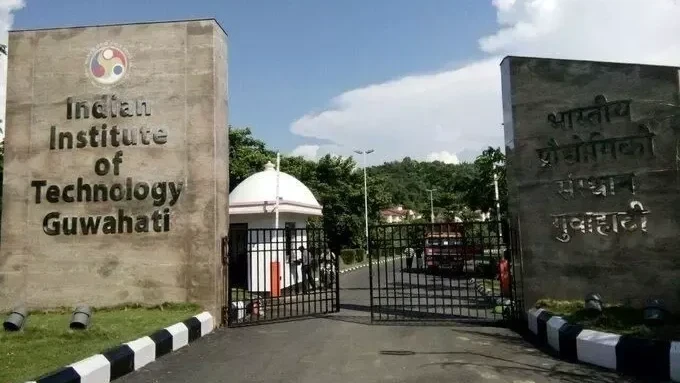
Researchers at the Indian Institute of Technology Guwahati have achieved a significant scientific milestone, developing an innovative and eco-friendly technique to tackle the pervasive problem of lead contamination in water. Their pioneering work involves harnessing the natural capabilities of blue-green algae to efficiently remove harmful lead particles, offering a sustainable solution to a pressing public health concern.
The method, conceptualized and refined by scientists at the premier institution in Assam, leverages specific strains of blue-green algae, known for their robust bio-absorption properties. This natural approach presents a stark contrast to many conventional, often chemical-intensive, water purification processes. Given the severe health risks associated with lead exposure, including neurological damage and developmental issues, particularly in children, this discovery holds immense promise for improving water quality and safeguarding communities.
The efficiency demonstrated by this algae-based system could revolutionize water treatment, especially in regions susceptible to heavy metal pollution. For a state like Assam and the broader Northeast, where access to clean drinking water remains a priority, such indigenous technological advancements are particularly pertinent. Officials and environmental experts are keenly observing the potential for scaling up this research, which aligns with global efforts to find sustainable and affordable solutions for environmental remediation.
This breakthrough underscores IIT Guwahati's commitment to addressing critical societal challenges through cutting-edge research. The development not only provides an innovative tool for environmental protection but also highlights the potential of natural biological systems in creating effective, green technologies for a healthier future.
Continue Reading