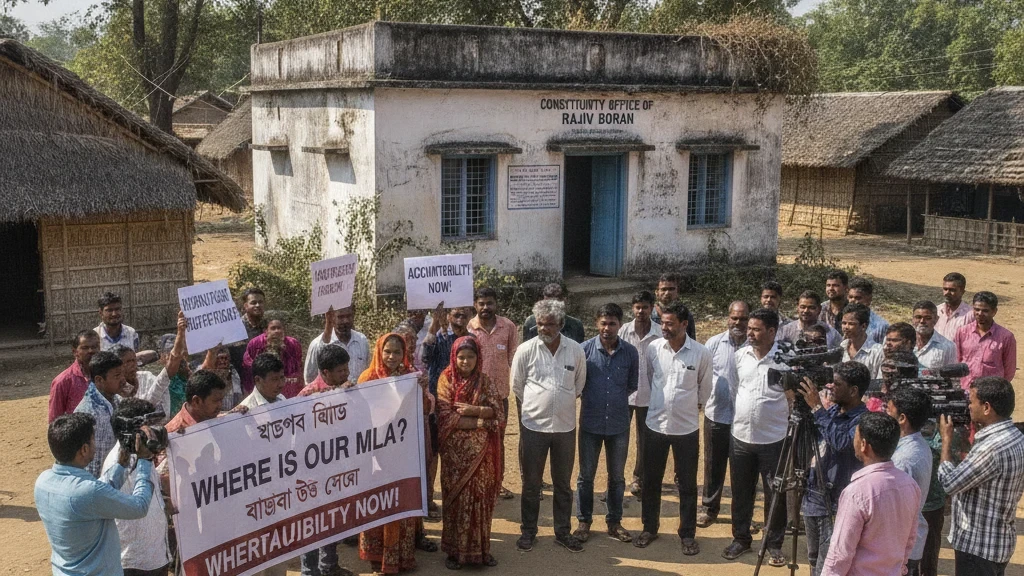
A critical question is increasingly being posed by constituents and political observers alike: are elected representatives shying away from visiting their voters? This sentiment, echoing across various parts of Assam, highlights a growing concern over the perceived lack of direct engagement between public figures and the electorates they represent.
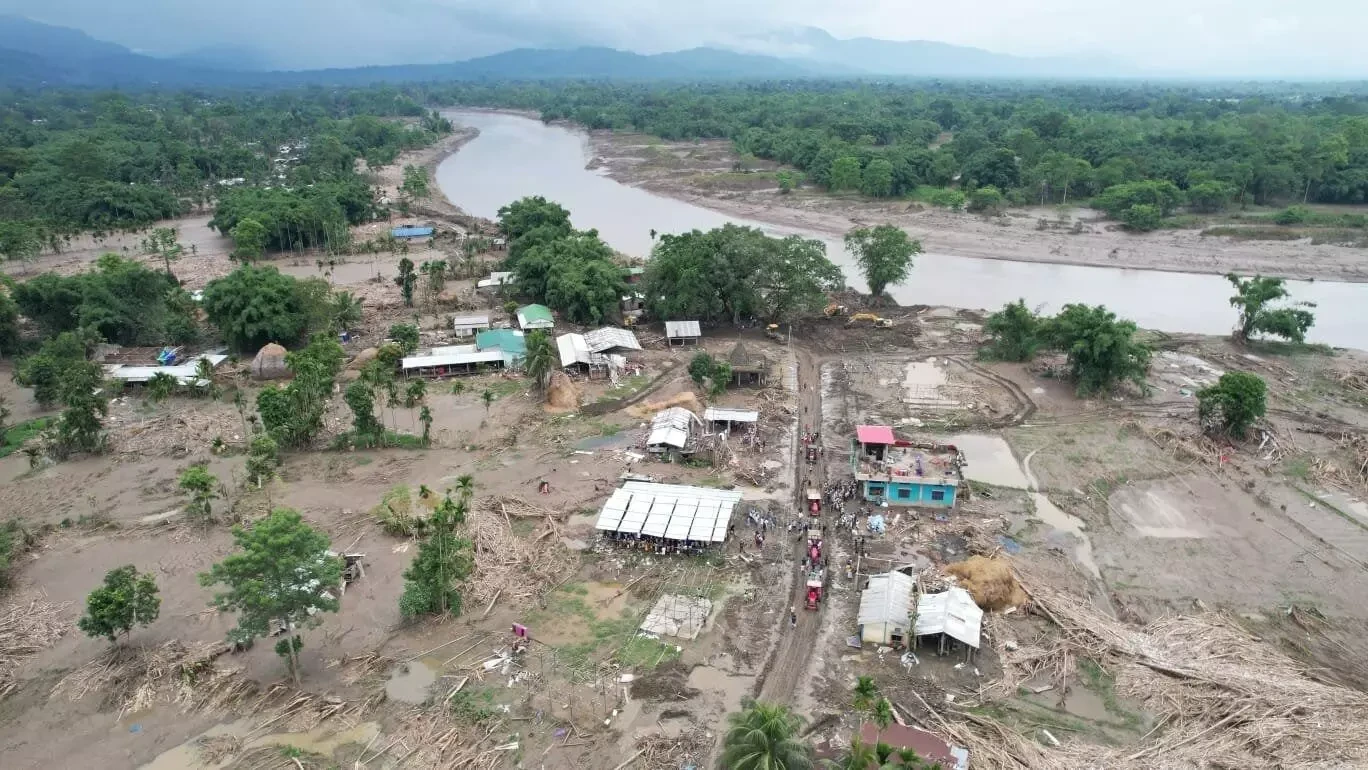
Reports from several districts indicate that residents feel a disconnect, suggesting that some elected officials are not making regular appearances in their constituencies to address local issues or interact with the public. This perceived absence becomes particularly salient when communities face challenges such as infrastructural deficiencies, natural calamities, or socio-economic issues that require immediate attention and leadership.
Voters often expect their representatives to be accessible, visible, and proactive in understanding and resolving local grievances. The current discourse suggests that this expectation is not always being met, leading to frustration and a sense of disillusionment among the populace. Political analysts note that such disengagement can erode public trust and may have significant implications for future electoral outcomes, as voters increasingly prioritize direct accountability and responsiveness from those they elect to office.
As Assam navigates various developmental and social challenges, the call for elected members to enhance their presence and interaction with constituents grows louder. The underlying question persists, urging a renewed focus on the fundamental duty of representation and direct engagement at the grassroots level.
Continue Reading