It involves five 90-minute aircraft sorties covering about 100 sq. km of northwest and outer Delhi
Digital Desk: In a landmark move, Delhi is preparing its first-ever artificial rain in a massive bid to check increasing air pollution levels. The cloud seeding operation, led by IIT Kanpur, aims to clean the capital’s toxic air and offer residents much-needed relief. . A flight plan has already been submitted with the India Meteorological Department (IMD) in Pune, and it is tentatively working out operations between July 4 and 11.
Delhi Environment Minister Manjinder Singh Sirsa said that weather conditions are not favorable to carry out cloud seeding till 3rd July. Nevertheless, it has been proposed that there be a flight window in early July and accordingly, clearances have been sought on the same with the Directorate General of Civil Aviation (DGCA). Sirsa stated, clean air is a fundamental right. Everything is under consideration, but simulated rain is one alternative move in the right direction to cleaner air.”
The move comes amid political backlash. Delhi head of AAP Saurabh Bharadwaj blamed the BJP and central government for mocking and delaying past pollution-control efforts. Sirsa countered saying that they had signed the MoU, paid to IIT Kanpur, and had requested approvals. We have acted in reality and now, unlike others, we have taken timely action.”
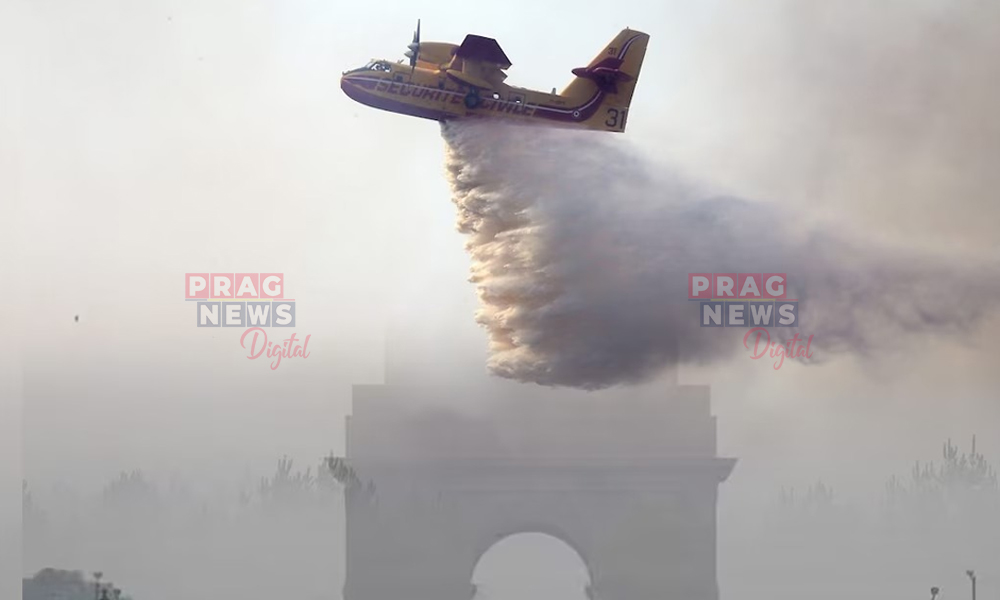
The cloud seeding project falls under a project dubbed Technology Demonstration and Evaluation of Cloud Seeding as an Alternative to Delhi NCR Pollution Mitigation. It includes five aircraft sorties lasting 90 minutes, including approximately 100 square km of the northwest and outer Delhi.
A modified Cessna Plane will release a special seeding combination, which consists of silver iodide nanoparticles, iodised salt, and rock salt via flare-based mechanisms. This combination will induce the formation of the raindrops by the moisture-laden clouds, a factor which will reduce pollutant concentration by large margins.
If successful, this could set a precedent for pollution control in other Indian cities.
Continue Reading