How Can You Prevent Post-Workout Fatigue?

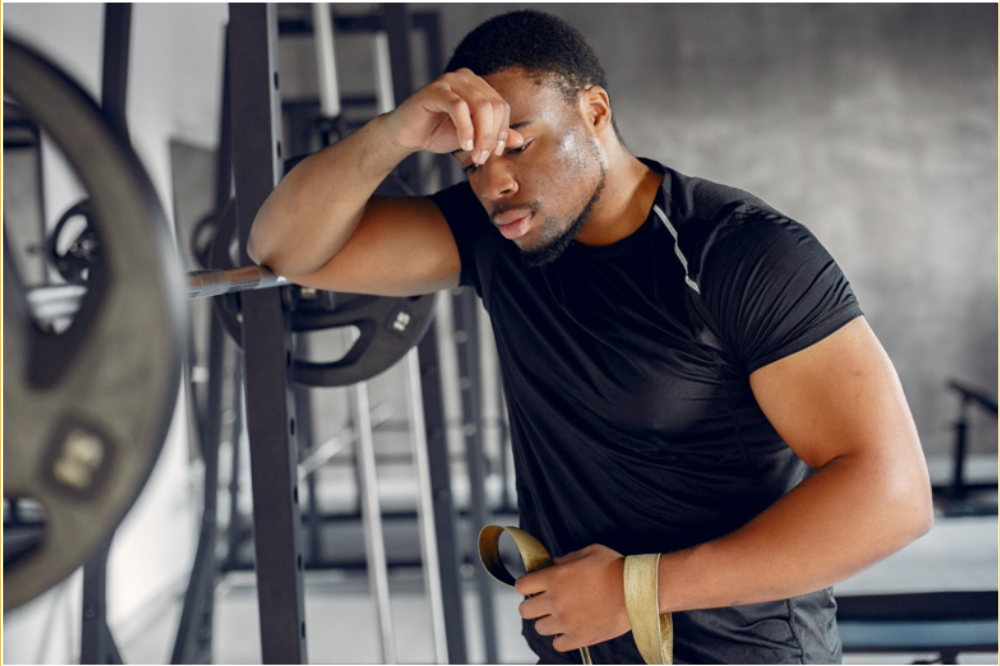
Do you find climbing stairs a challenge post-workout? Feeling this fatigue can happen to anyone. While its normal, extreme fatigue isn't something you should ignore.
More often than not, it can be due to gaps in your recovery routine. But you can bridge it with a few simple habits. Read on to know more.
Eat the Right Meal After Exercising
What you eat after a workout directly affects how quickly your body recovers. Your muscles need nutrients to repair themselves, while your energy stores need to be replenished. To balance your plate:
● Add in a good source of protein for muscle repair
● Complex carbohydrates to restore energy
● Healthy fats in moderate amounts.
● Plenty of vegetables
Don’t think of skipping your meals; try to eat within a couple of hours after finishing your workout.
Stay Hydrated the Whole Day
Many people only think about drinking water during exercise, but hydration starts long before your workout and continues afterward. It’s more than just sipping water.
For proper hydration:
● Drink water consistently throughout the day.
● Increase your fluid intake on hot days
● Sip water before, during, and after your workout
● Watch for signs of dehydration, such as dark urine or persistent thirst
If you have had a long or intense workout with significant sweating, drinks containing electrolytes may help replace minerals lost through sweat and support proper hydration.
No Need to Push Every Workout to the Limit
You don’t get results by working out harder. If you train at maximum intensity every day can exhaust your body and increase the risk of burnout. Instead, you should do this:
● Alternate between hard and moderate workout days
● Increase workout intensity gradually
● Listen to your body's signals
● Take a lighter session if you feel unusually tired
Your body becomes stronger by adapting to training not when you push it constantly beyond its limits.
Make Sleep Part of Your Fitness Routine
Recovery starts when you sleep. During this time, your body repairs muscle tissue, restores energy, and prepares you for your next workout.
Aim for:
● Having a quality sleep 7 to 9 hours sleep every night
● A consistent bedtime whenever possible
● Limited screen time before sleeping
● A cool, comfortable sleeping environment
Be Smart About Nutrition Plan
It’s not always that you feel fatigued after workouts. Not getting enough nutrients throughout the day can be another reason. Focus on eating:
● Whole grains for lasting energy
● Lean protein sources
● Fruits and vegetables in different colors
● Healthy fats from nuts, seeds, and oils
If your regular diet doesn’t complete the nutrients’ needs, you may consider adding multivitamins to your nutrition plan after speaking to a healthcare professional.
Give Your Body Enough Time to Recover
Just working out seven days a week and not resting properly won’t make you stronger.
Without adequate recovery, you would feel constantly tired instead of stronger. Focus on your recovery by:
● Scheduling at least one rest day each week
● Including stretching after workouts (many people skip this part)
● Trying light activities like walking on recovery days
● Avoiding the temptation to make up missed workouts by overtraining
Be a Little More Attentive to Your Body Signs
It’s not necessary to get exhausted by the end of each workout. When you start understanding your body signs, it can help you prevent long-term fatigue. Look for signs like:
● Feeling unusually tired for several days
● Workout performance going down
● Not able to focus much
● Muscle soreness that doesn't improve
● Low or no motivation to exercise
If you keep noticing these symptoms even after taking proper rest and nutrition, you should definitely visit a healthcare professional once.
Summing Up
Preventing post-workout fatigue is crucial to be well-prepared for your next workout. So, rather than finding quick fixes, you have to focus on building better recovery habits.
Eating balanced meals, staying hydrated, sleeping well, and allowing your body enough time to recover are some habits you shouldn’t miss. This will improve your performance, consistency, and long-term fitness results.
Continue Reading