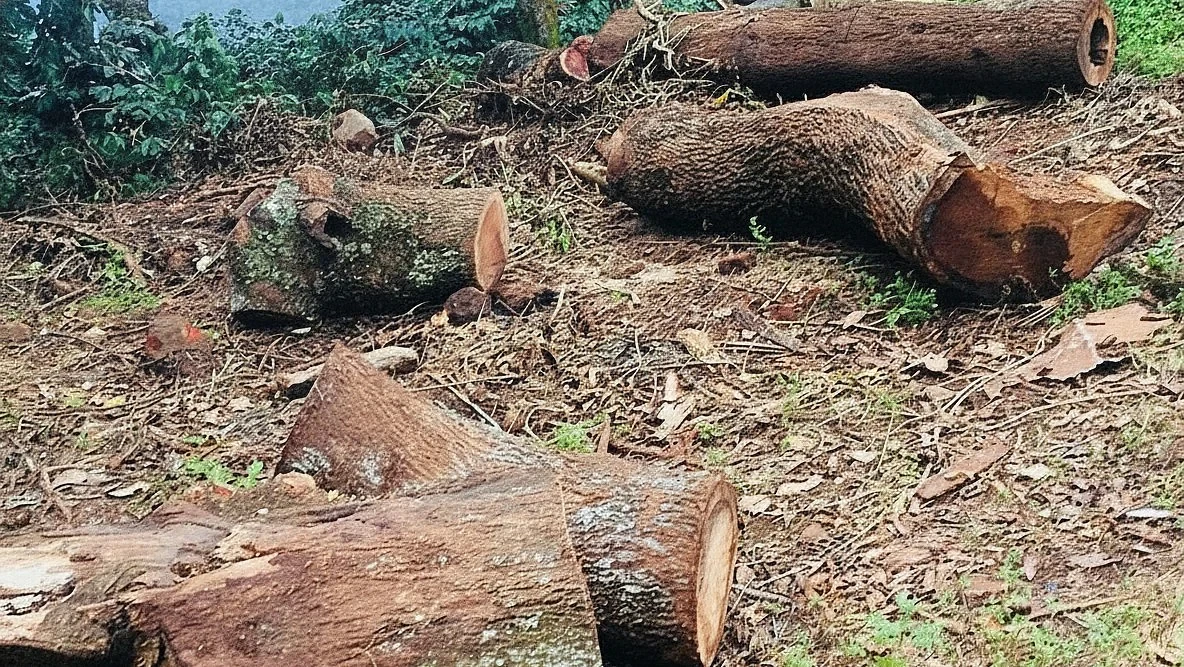
In a move that underscores the ongoing challenge of balancing development with environmental preservation, Assam has diverted a substantial 1,879.59 hectares of its forest land for purposes other than forestry. This allocation represents a considerable portion of the state's green cover being re-designated for various non-forest projects and activities.
The diversion of such a large tract of land in a state renowned for its rich biodiversity and vital ecosystems is likely to draw scrutiny from environmentalists and conservation groups. Assam is home to numerous protected areas, wildlife sanctuaries, and a diverse range of flora and fauna, making any significant land-use change a matter of public and ecological concern.
While specific projects leading to these diversions were not detailed, such decisions typically facilitate infrastructure development, industrial expansion, mining, or other public utility projects deemed essential for economic growth. However, the long-term environmental costs, including habitat loss, impact on climate resilience, and potential disruption to local communities dependent on forest resources, are often points of contention.
The state government faces the intricate task of fostering development while adhering to sustainable practices, especially in a region highly vulnerable to climate change impacts. The substantial area of forest land now earmarked for non-forest use will necessitate robust compensatory afforestation efforts and strict environmental mitigation measures to offset the ecological footprint of these diversions and ensure the state's natural heritage is protected for future generations.
Continue Reading