
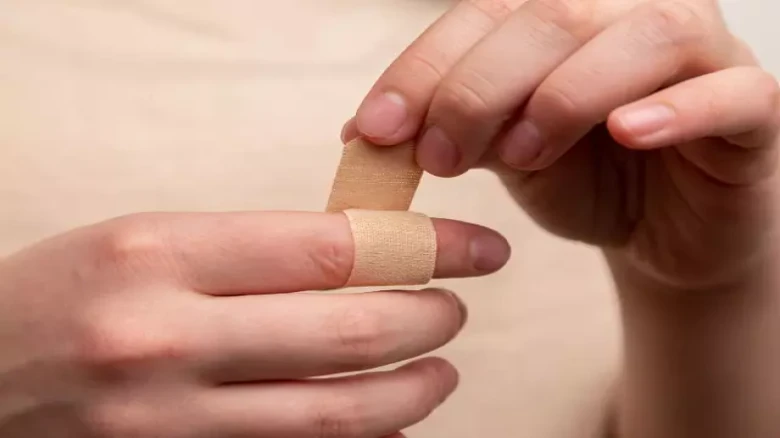
Around 26 bandages tested recently contain detectable levels of organic fluorine ranging from 11 parts per million to 328 ppm...
Digital Desk: According to a recent study, bandages from several well-known companies, such as Band-Aid and CVS Health, include hazardous amounts of "organic fluorine," a persistent chemical made up of per- and poly-fluoroalkyl compounds, or PFAS.
Numerous negative health consequences, including decreased immune system function and vaccine response, learning and developmental difficulties in infants and children, certain types of cancer, lower fertility, endocrine disruption, and other impacts, have been connected to these drugs.
A report by Mamavation in collaboration with EHN.org states that measurable levels of organic fluorine range from 11 parts per million to 328 ppm in about 26 bandages that were tested recently.
The possibility that bandages applied to open wounds could expose adults and children to PFAS worries scientist emeritus Linda S. Birnbaum, a former director of the National Institute of Environmental Health Sciences.
According to Birnbaum, PFAS are not necessary for wound treatment; instead, the bandage industry should switch to PFAS-free materials and eliminate the permanent chemicals from bandages. Bandages from 3M and Tru Colour, were free of organic fluorine and other harmful compounds.
"Bandages containing organic fluorine may have an organic fluorine content due to the widespread use of fluoropolymers, such as polytetrafluoroethylene (PTFE) – PFAS" , said Scott Belcher, an associate professor at North Carolina State University's Center for Environmental & Health Effects of PFAS.
According to the research, consumer products that have been subjected to PFAS testing include contact lenses, pasta and tomato sauces, sports bras, tampons, dental floss, electrolytes, butter wrappers, fast food packaging, diapers, condoms, and deodorants.
Although most people are aware that PFAS pollution can be detected in water, Mamavation's testing consistently identifies new exposure sources, including products we consume, wear, or apply to our bodies.
Studies carried out in labs by the National Institute for Occupational Safety and Health indicate that skin contact with PFAS may provide health hazards equivalent to those resulting from ingesting the chemicals through food or drink. The risk of PFAS exposure through the skin, however, is yet unclear.
Continue Reading