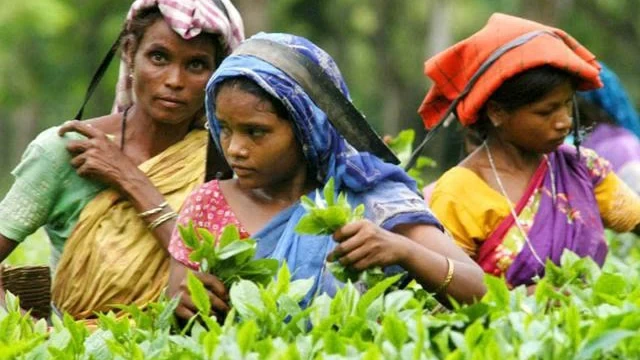
Across the verdant hills of Assam, thousands of women begin their mornings harvesting the state's renowned tea leaves. Responsible for producing a significant portion of India's tea, these women return at the end of the day to cramped and damp labor quarters where significant health challenges persist.
Official data from special bulletins of the Sample Registration System highlights that Assam has historically recorded some of the highest maternal mortality ratios nationwide. Although overall state figures have shown improvement over the past two decades, these positive trends have largely failed to reach the remote tea gardens.
Within the Adivasi communities, whose ancestors were brought to the region during the nineteenth century to establish the plantations, mothers continue to face severe risks during pregnancy and childbirth from preventable causes. While official death certificates often cite direct medical reasons, observers note that underlying social, economic, and systemic factors heavily influence these outcomes in the labor lines.
Continue Reading