
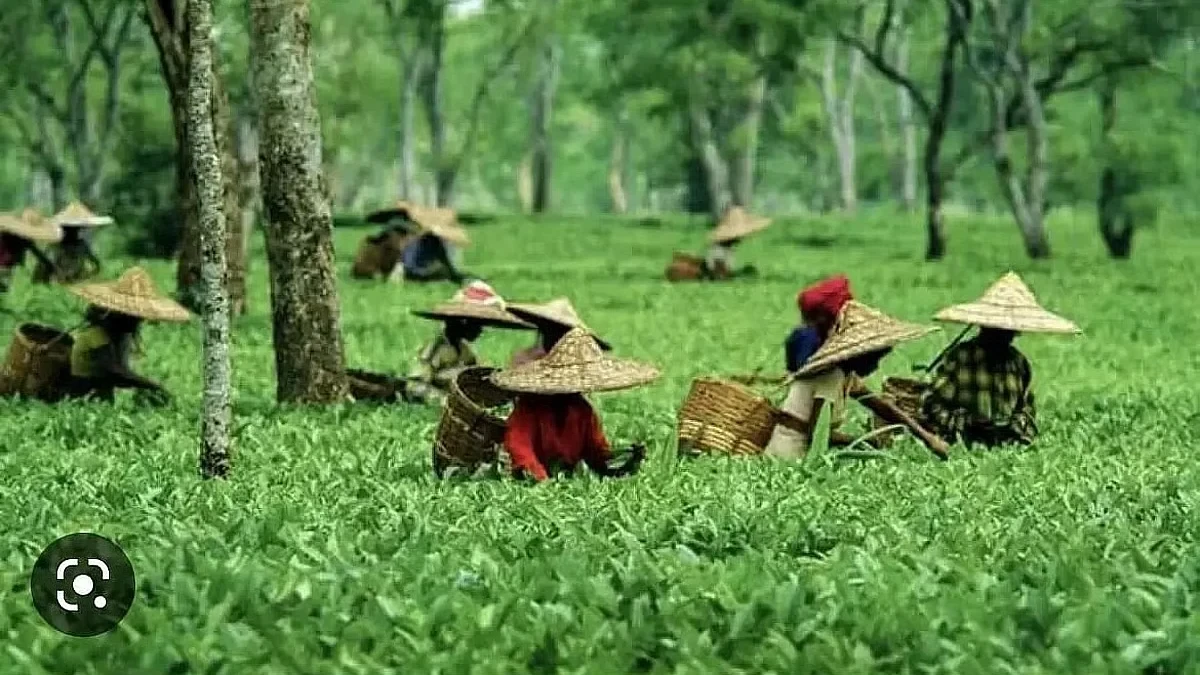
Assam's globally renowned tea industry faces an unprecedented challenge, with mounting evidence suggesting that climate change is the single greatest threat to its long-term viability. Experts and industry reports consistently highlight that shifting weather patterns, marked by erratic rainfall, prolonged dry spells, and sudden intense downpours, are directly impacting tea gardens across the state.
The delicate balance required for optimal tea cultivation is being disrupted. Rising ambient temperatures are also a significant concern, potentially altering the biochemical composition of tea leaves, which is crucial for the distinct flavour profile of Assam tea. Such changes can lead to reduced yields and a decline in the quality of the brew, threatening the region's competitive edge in the global market.
The implications extend far beyond the taste of a cup of tea. The livelihoods of millions, from small growers to large estates, are intricately linked to the health of the tea bushes. Reduced production and compromised quality translate directly into economic instability for these communities, many of whom have generations of experience in tea cultivation.
Addressing this complex issue requires a multi-pronged approach, encompassing the adoption of sustainable farming practices, investment in robust irrigation and drainage infrastructure, and proactive research into climate-resilient tea varieties. The collective effort of stakeholders, including government bodies, industry associations, and researchers, is crucial to safeguard the future of Assam tea, ensuring its legacy and economic contribution endure amidst a changing climate.
Continue Reading