GUWAHATI: An analysis of Assam's labour landscape reveals a significant disparity in the composition of its registered workforce, with indigenous youth reportedly making up a minuscule portion of the nearly 7.9 million workers across the state. This trend is particularly noticeable in urban centres, where a majority of labourers and skilled workers are observed to be from outside the local community.
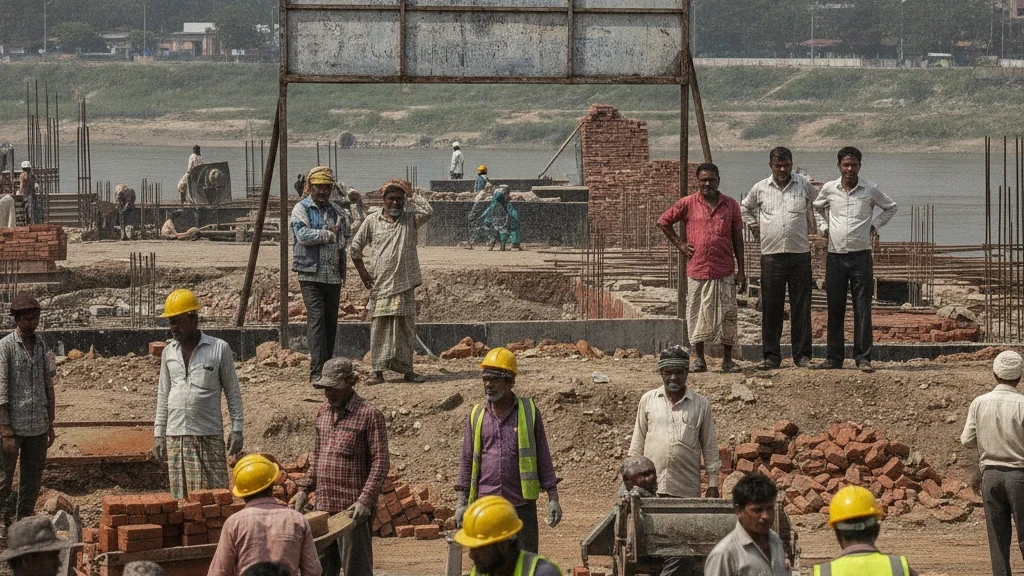
According to figures released by the Department of Labour Welfare, Assam boasts 78.73 lakh registered workers. However, on-ground observations suggest that local residents frequently encounter workers from other regions when seeking various services. In Guwahati, for instance, reports indicate that approximately 90 per cent of daily wage labourers and masons are non-indigenous, highlighting a clear dominance by migrant workers in the city's construction and service sectors.
The distribution of registered workers also shows notable regional variations. Districts such as Nagaon lead with 5.48 lakh registered workers, followed closely by Barpeta (5.47 lakh), Dhubri (4.56 lakh), Darrang (3.20 lakh), and Sribhumi (3.14 lakh). In contrast, districts like Majuli, Charaideo, Dima Hasao, West Karbi Anglong, and Tamulpur register significantly lower numbers, with Majuli having around 44,000 and Tamulpur just about 5,000 registered workers.
While official daily wages for scheduled workers range from Rs 405 to Rs 758, and those under contractors from Rs 395 to Rs 727, these figures often do not reflect the actual market rates. Labourers on the ground frequently demand upwards of Rs 1,000 for a day's work, suggesting a disconnect between official rates and prevailing market dynamics. The minimal presence of indigenous workers in the state's vast labour force raises pertinent questions about local skill development, employment opportunities for local youth, and the overall socio-economic implications for Assam.
Continue Reading