
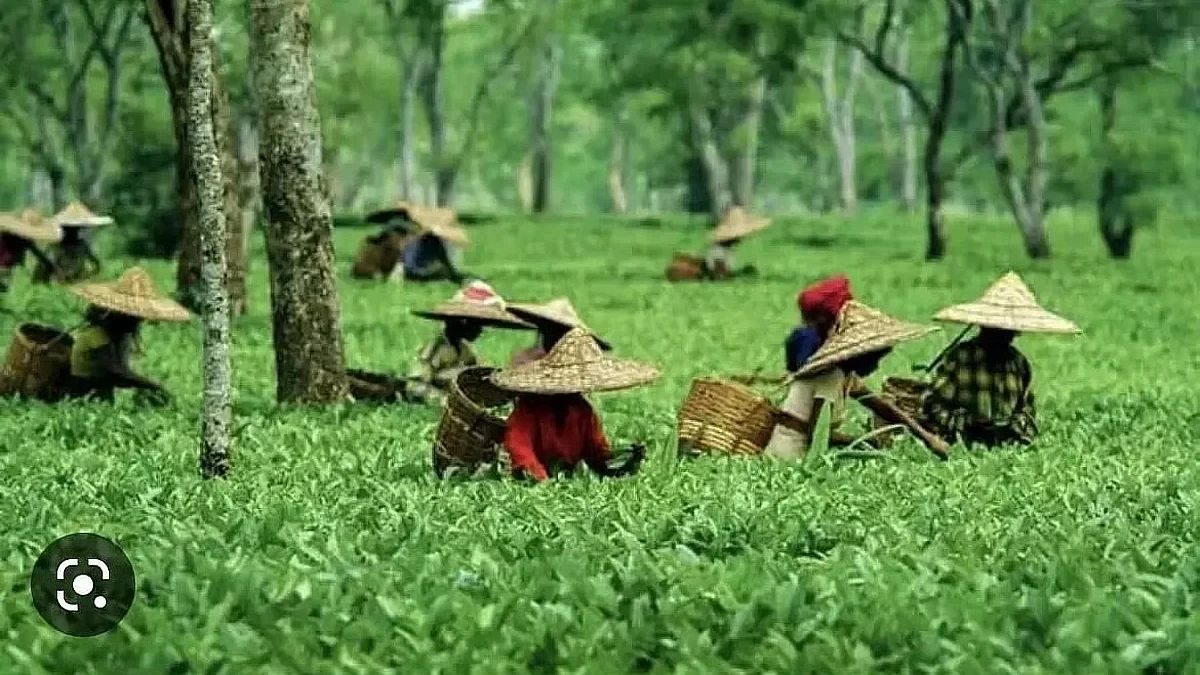
Assam's iconic tea industry, a cornerstone of the state's economy and cultural identity, is grappling with an existential threat from the escalating impacts of climate change. Erratic weather patterns, marked by both prolonged droughts and intense, unseasonal rainfall, are severely disrupting cultivation cycles and threatening the long-term viability of tea gardens across the region.
Industry experts and recent analyses indicate that these climatic shifts are not merely affecting annual yields but are also subtly altering the delicate chemical composition of tea leaves. This poses a direct risk to the distinctive aroma and flavour profiles that have earned Assam tea its global renown. Rising temperatures further exacerbate the situation, stressing tea bushes and making them more susceptible to pests and diseases, which in turn necessitates increased intervention and costs for growers.
The ramifications extend far beyond the tea estates themselves. Millions of people in Assam depend on the tea sector for their livelihoods, from plantation workers to small tea growers and ancillary businesses. A decline in production and quality directly translates into economic instability for these communities and a significant blow to the state's revenue. Reports suggest that without urgent and adaptive measures, the very future of this cherished industry hangs in the balance, potentially diminishing Assam's 'green gold' for generations to come.
As global warming trends continue, stakeholders are increasingly recognizing the imperative for sustainable practices, innovative agricultural techniques, and robust policy frameworks to safeguard Assam's tea heritage against these profound environmental challenges.
Continue Reading