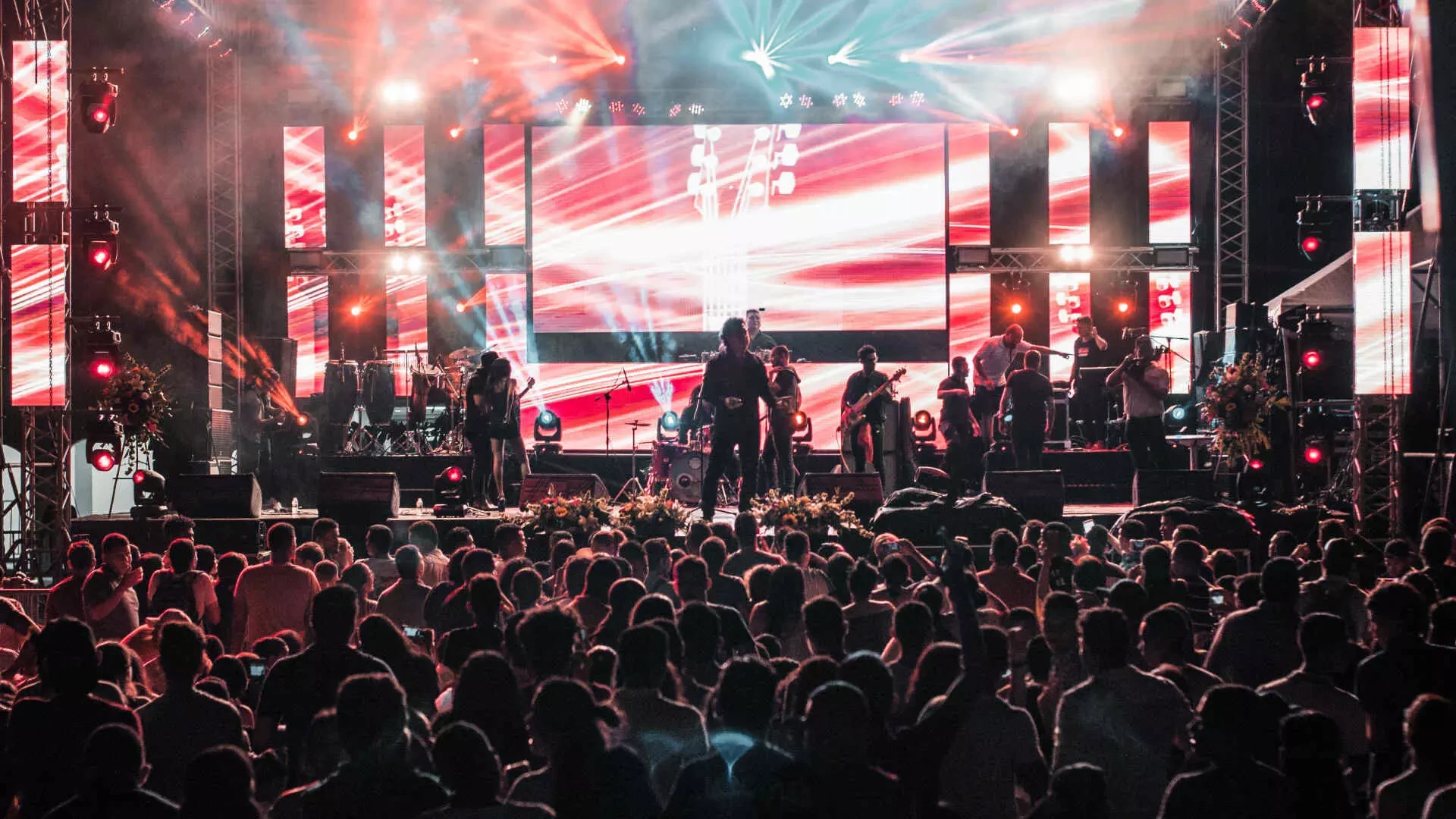
Guwahati often witnesses a peculiar social dynamic whenever a significant event graces the city, be it a high-profile concert, a cultural extravaganza, an international cricket match, or a star-studded theatre festival. The pattern is strikingly consistent: an event announcement, often via WhatsApp, quickly triggers a flurry of phone calls. The primary query isn't about ticket availability or pricing, but rather an earnest plea for complimentary passes.
Individuals, many of whom comfortably indulge in expensive dining, regularly upgrade their latest gadgets, plan luxurious holidays, or frequently shop online, display a curious reluctance when it comes to buying tickets for events they genuinely wish to attend. For these individuals, who readily spend thousands on everyday luxuries without a second thought, the idea of purchasing an event ticket often feels unnecessary. The underlying motivation appears to stem not from financial constraints, but from a deeper-seated belief: if one knows the right people, why should they queue and pay like everyone else?
This pursuit of a "free pass" transcends mere cost-saving; it is primarily about status. Buying a ticket, in this unspoken social economy, can be perceived as an act of being "ordinary." Conversely, securing a complimentary entry elevates one's social standing, signaling connections and importance. The "free pass," however, is rarely truly free. It often comes with an invisible price tag, entailing numerous phone calls, the cultivation of favours, and the accumulation of future obligations, all to maintain a facade of exclusivity. This intricate dance reveals a subtle, yet powerful, economy at play in Guwahati, where social currency often outweighs monetary value.
Continue Reading