The World Health Organization (WHO) on Wednesday classified the EG.5 (Eris) coronavirus variant as a...
Digital Desk: The World Health Organization (WHO) on
Wednesday classified the EG.5 (Eris) coronavirus variant as a "variant of
interest." However, the organization emphasized that this particular
variant did not appear to pose a significantly greater threat to public health
than other existing variants.
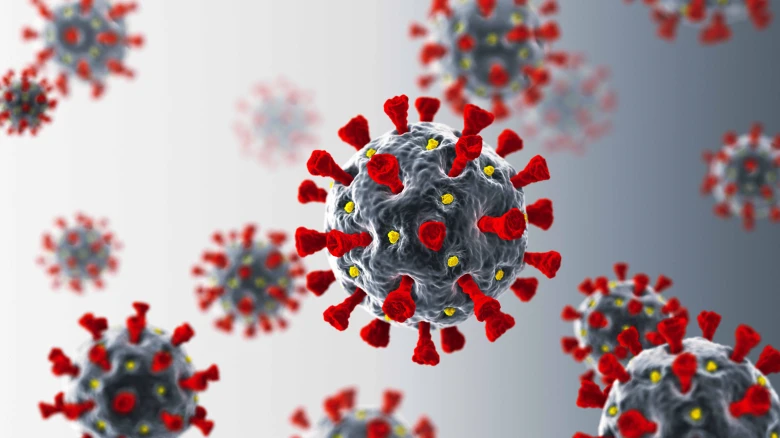
EG.5, a rapidly spreading strain, has gained prominence as the most prevalent variant in the United States, accounting for over 17% of reported cases. This variant has been linked to recent increases in COVID-19 cases across the nation. Additionally, EG.5 has been identified in several other countries, including China, South Korea, Japan, and Canada.
In an official risk evaluation statement, the WHO clarified that, based on the available evidence, there were no indications that EG.5 carried greater public health risks compared to other Omicron descendant lineages currently in circulation. However, the organization highlighted the need for a more comprehensive assessment of the risks associated with EG.5.
COVID-19 has had a profound global impact, claiming the lives of more than 6.9 million people and infecting over 768 million individuals since its emergence. The WHO declared the outbreak a pandemic in March 2020 and recently revoked the global emergency status for COVID-19 in May of this year.
Maria Van Kerkhove, the WHO's technical lead on COVID-19, emphasized that while EG.5 exhibited an elevated level of transmissibility, there was no evidence suggesting it was more severe than other variants within the Omicron lineage. She stated, "We don't detect a change in severity of EG.5 compared to other sublineages of Omicron that have been in circulation since late 2021."
Director General Tedros Adhanom Ghebreyesus expressed concern over the lack of comprehensive COVID-19 data reporting from numerous countries to the WHO. He highlighted that only a mere 11% of countries had reported hospitalizations and admissions to intensive care units related to the virus.
In response, the WHO issued a series of standing recommendations for managing the ongoing pandemic. The organization urged countries to continue providing COVID-19 data, particularly mortality and morbidity data. Additionally, the WHO stressed the importance of maintaining vaccination efforts to curb the spread of the virus.
Van Kerkhove pointed out that the absence of reliable data from various countries was impeding global efforts to combat the virus effectively. She stated, "About a year ago, we were in a much better situation to either anticipate or act or be more agile. And now the delay in our ability to do that is growing. And our ability to do this is declining."
As the situation evolves, health authorities and researchers
worldwide will continue to closely monitor the EG.5 variant's behavior and
potential implications for public health, aiming to make informed decisions to
protect populations from the ongoing threat of COVID-19.
Continue Reading