
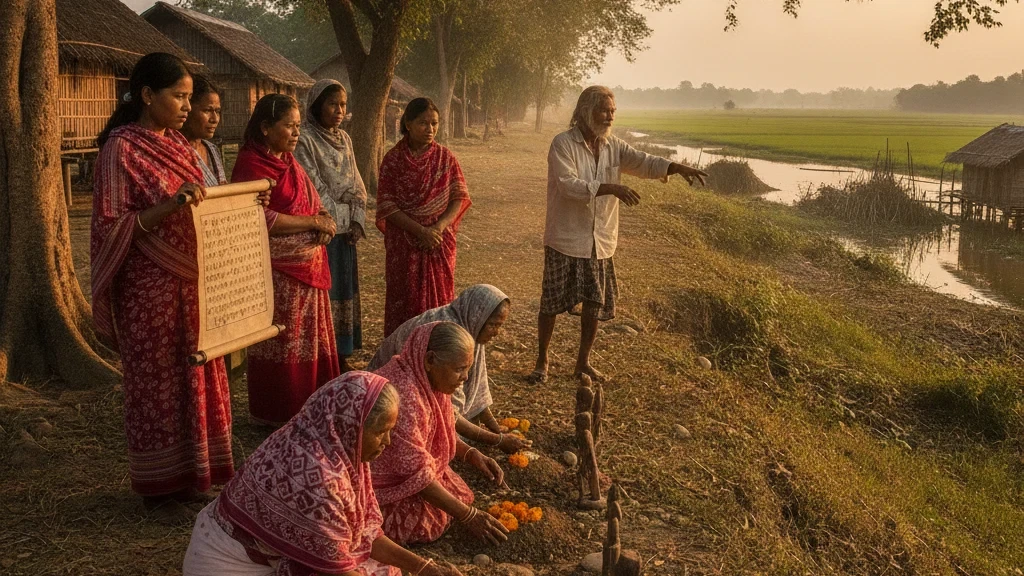
In Assam, the concept of land for its indigenous communities transcends mere property ownership or a negotiable commodity. Instead, it is deeply intertwined with their very essence, serving as a living repository of their ancestral history and the foundational pillar upon which their entire social, cultural, economic, and political existence rests.
This sacred soil, often revered as a maternal figure, does not just sustain daily livelihoods; it is the ultimate anchor for their distinct languages, rich folk traditions, customary laws, and the intricate spiritual worldview passed down through countless generations. The profound, almost visceral connection an indigenous person shares with their ancestral land is vividly reflected in the rhythms of their traditional agricultural practices, the vibrant spirit of their community festivals, and the wisdom inherent in their collective working methods and unpretentious lifestyles.
Community leaders and observers frequently highlight that these fields bear the indelible footprints of their ancestors and serve as the final resting places of their kin, fostering an innate, protective respect for the earth. Consequently, any external challenge to this delicate, centuries-old bond with their land is perceived as a direct threat to their collective soul and the continuity of their unique Assamese identity.
Continue Reading