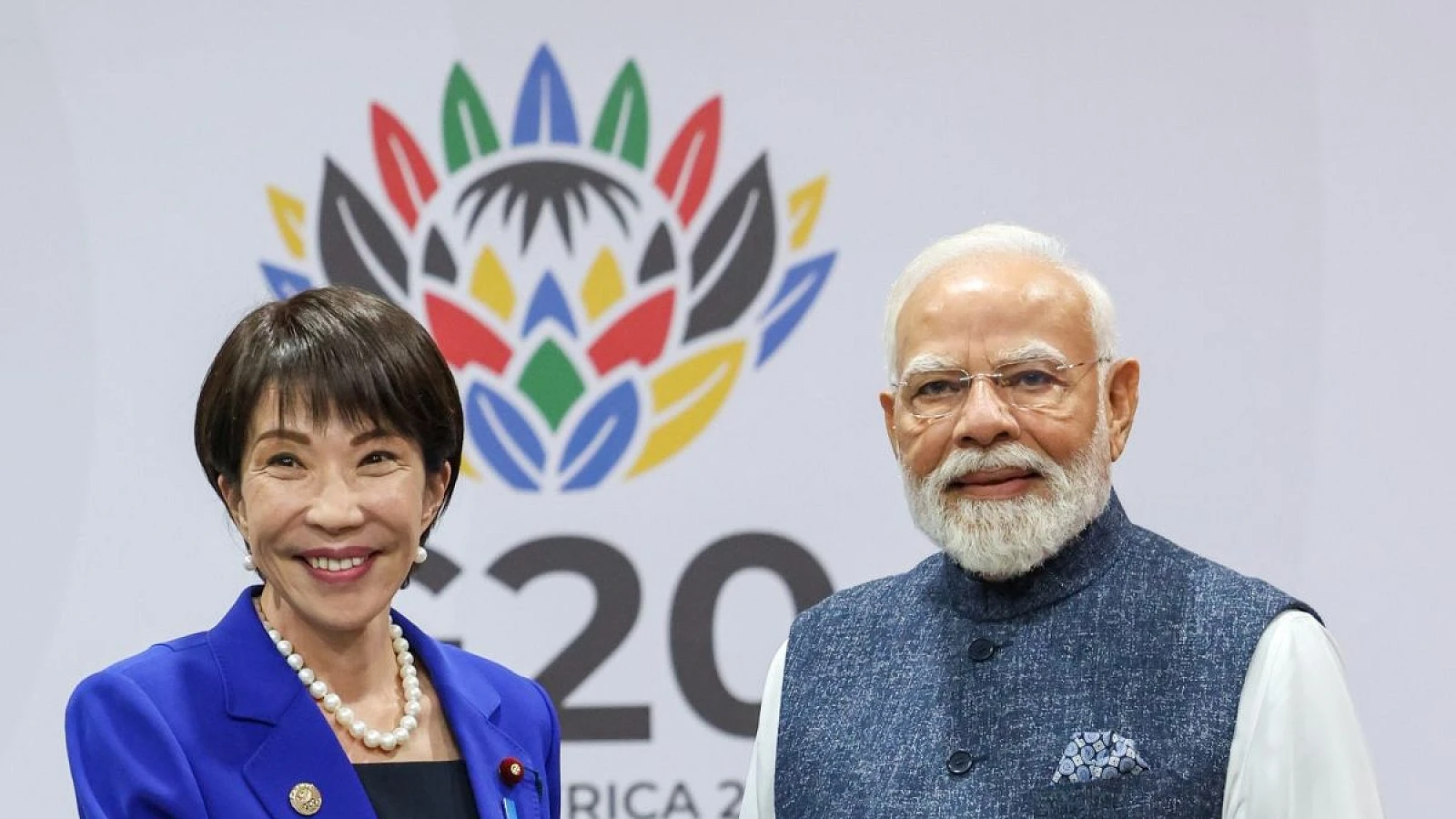
Guwahati is preparing to host a high-profile diplomatic event in early July, as Japanese Prime Minister Sanae Takaichi is scheduled to arrive for delegation-level talks with Indian Prime Minister Narendra Modi. The visit, anticipated to take place around July 1, holds immense strategic significance, especially given Tokyo's growing concerns over Beijing's assertiveness across the Indo-Pacific region.
Prime Minister Takaichi will be accompanied by a substantial delegation comprising over 50 Japanese company executives and business leaders, underscoring the strong economic dimension of the engagement. Discussions between the two leaders are expected to focus on bolstering economic partnerships, with potential agreements on investment and supply chain integration. Key sectors earmarked for enhanced cooperation include semiconductors, renewable energy, and the automotive industry.
Beyond commercial ties, the summit is poised to address broader strategic imperatives. Officials familiar with the discussions suggest that Japan may expand its support for India's strategic oil reserves and overall energy resilience through various financial facilities and partnerships. This move aligns with a shared vision for a stable and secure Indo-Pacific, where both nations play crucial roles in maintaining regional balance.
The choice of Guwahati as the venue for these pivotal discussions highlights the region's increasing importance in India's diplomatic outreach and its potential as a hub for international collaboration. The upcoming summit is expected to solidify the robust bilateral relationship between India and Japan, fostering deeper economic integration and strategic alignment in a rapidly evolving geopolitical landscape.
Continue Reading