The bench found no evidence of misuse of liberty by Sattai and rejected the plea to impose conditions restraining him from making scandalous remarks while on bail
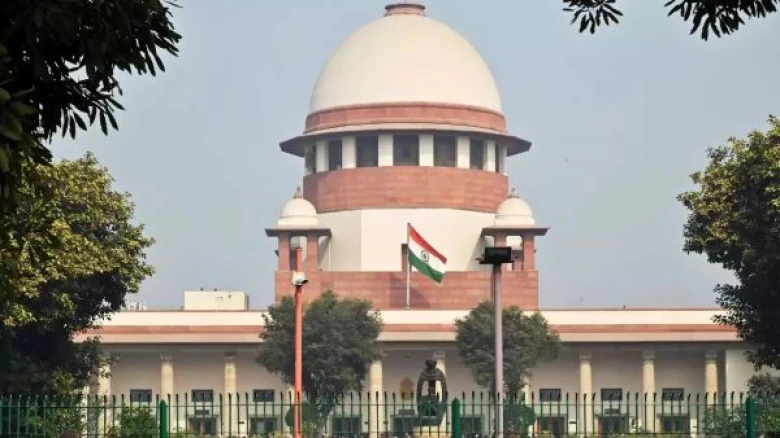
Digital Desk: In a significant judgment, the Supreme Court reinstated the bail granted to a YouTuber, A Duraimurugan Sattai, who was accused of making derogatory remarks against Tamil Nadu Chief Minister MK Stalin. Justices Abhay S Oka and Ujjal Bhuyan stated that not everyone who makes allegations on social media can be jailed, highlighting the potential ramifications if such actions were taken before the elections.
The bench found no evidence of misuse of liberty by Sattai and rejected the plea to impose conditions restraining him from making scandalous remarks while on bail. The case originated from Sattai's challenge to a Madras High Court order cancelling his bail after he allegedly made further derogatory remarks against the Chief Minister.
“The court also did not entertain the request to impose a condition on Sattai to refrain from making scandalous remarks while on bail. Justice Oka challenged Mukul Rohatgi, asking who would determine whether a statement is scandalous or not,” NDTV reports.
Despite the state's argument supported by FIRs filed against Sattai, the Supreme Court upheld his bail, emphasising the need to consider the context and determine the gravity of statements made on social media.
This ruling comes amid the backdrop of the upcoming Lok Sabha elections, underscoring the delicate balance between freedom of expression and legal accountability in the digital age.
Continue Reading