
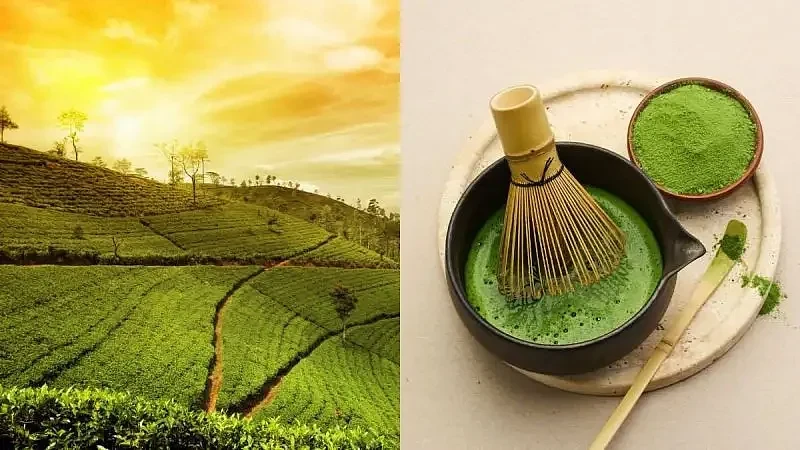
The lush tea gardens of Assam, long synonymous with strong, malty black tea, are now reportedly eyeing a new frontier: matcha. This finely ground, shade-grown green tea, traditionally from Japan, represents a potential paradigm shift for the state's tea industry, offering avenues for diversification and value addition in a competitive global market.
Matcha, celebrated for its unique flavour profile and high antioxidant content, has seen a surge in popularity worldwide, particularly in health-conscious consumer segments. For Assam, which boasts ideal climatic conditions and generations of tea-growing expertise, venturing into matcha production could leverage existing infrastructure while introducing a high-value product.
Industry observers suggest that cultivating matcha could provide Assam's tea growers with access to premium markets, potentially fetching significantly higher prices compared to conventional black tea. This move aligns with a broader trend among tea-producing regions to innovate and adapt to evolving consumer preferences, moving beyond traditional offerings to capture new segments.
While the transition would require specific cultivation techniques, such as shade-growing and specialized processing for grinding tea leaves into a fine powder, the economic benefits could be substantial. It presents an opportunity to elevate the 'Assam Tea' brand beyond its current recognition, positioning it as a versatile producer capable of meeting diverse global demands. Such an initiative could not only boost farmer incomes but also create new employment opportunities within the processing and packaging sectors, further strengthening Assam's vital agricultural economy.
Continue Reading