
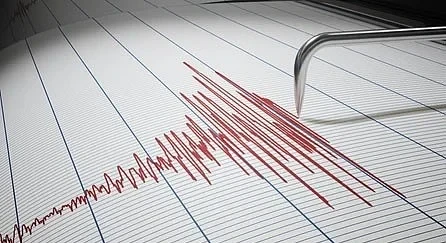
A cluster of six earthquakes rattled various parts of Northeast India and Assam over an intense 18-hour period, causing residents across the seismically active region to experience widespread tremors. The frequent seismic activity underscores the geological vulnerability of the northeastern states, which lie in a high-risk zone.
The rapid succession of seismic events, though details on individual magnitudes were not provided, was significant enough to be felt across a broad area. Such concentrated seismic occurrences often draw attention to the region's tectonic plate boundaries, where the Indian plate converges with the Eurasian plate, leading to frequent crustal adjustments.
While no immediate reports of significant damage or casualties emerged following the tremors, the sheer number of quakes in such a short timeframe serves as a stark reminder for residents and authorities about the constant threat of seismic activity. Communities in Assam and other northeastern states are accustomed to experiencing tremors, but the frequency of these recent events has naturally led to heightened awareness and discussion among the populace.
Seismological monitoring agencies continuously track these movements, providing crucial data for disaster preparedness. For a region like Northeast India, where infrastructure can be particularly susceptible to seismic forces, constant vigilance and adherence to earthquake-resistant building codes remain paramount. The recent flurry of quakes reinforces the need for continued public education and emergency readiness protocols to mitigate potential risks associated with future seismic events.
Continue Reading