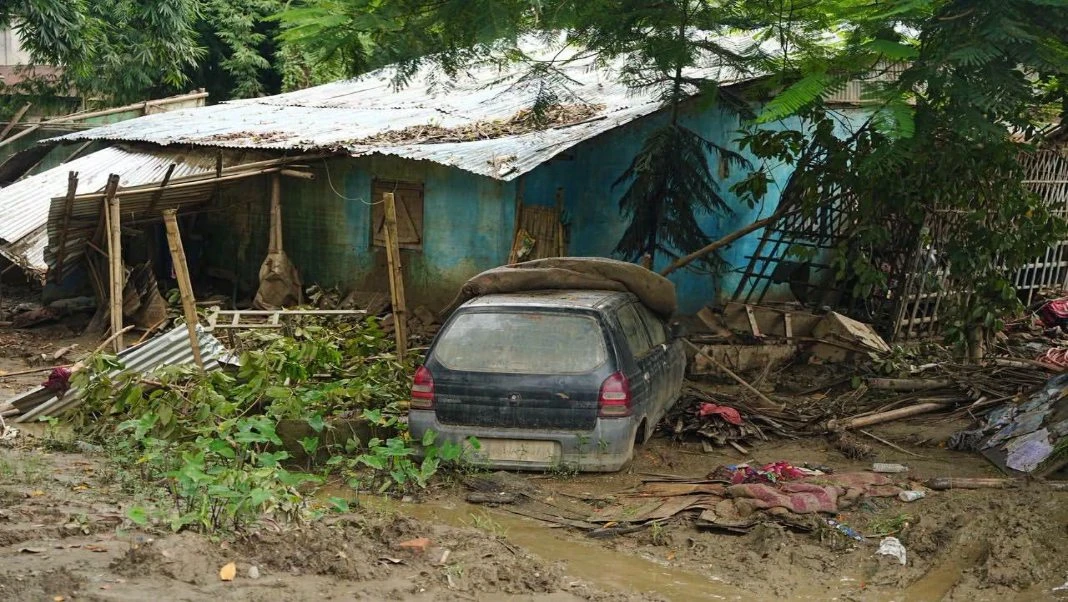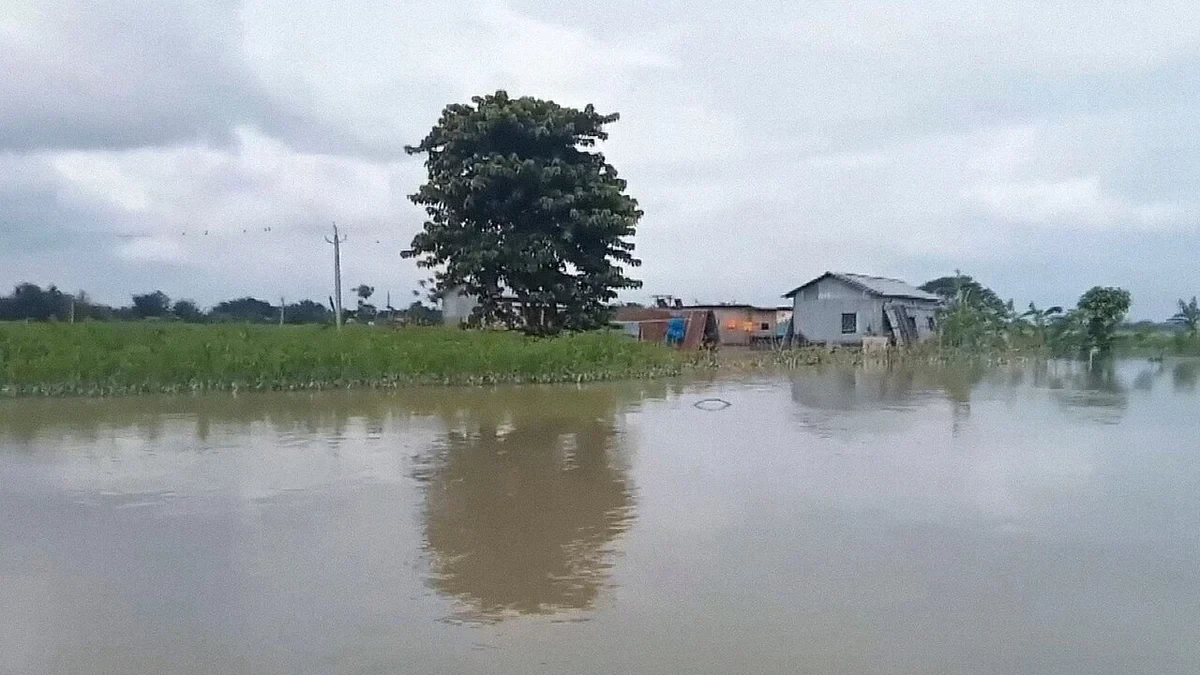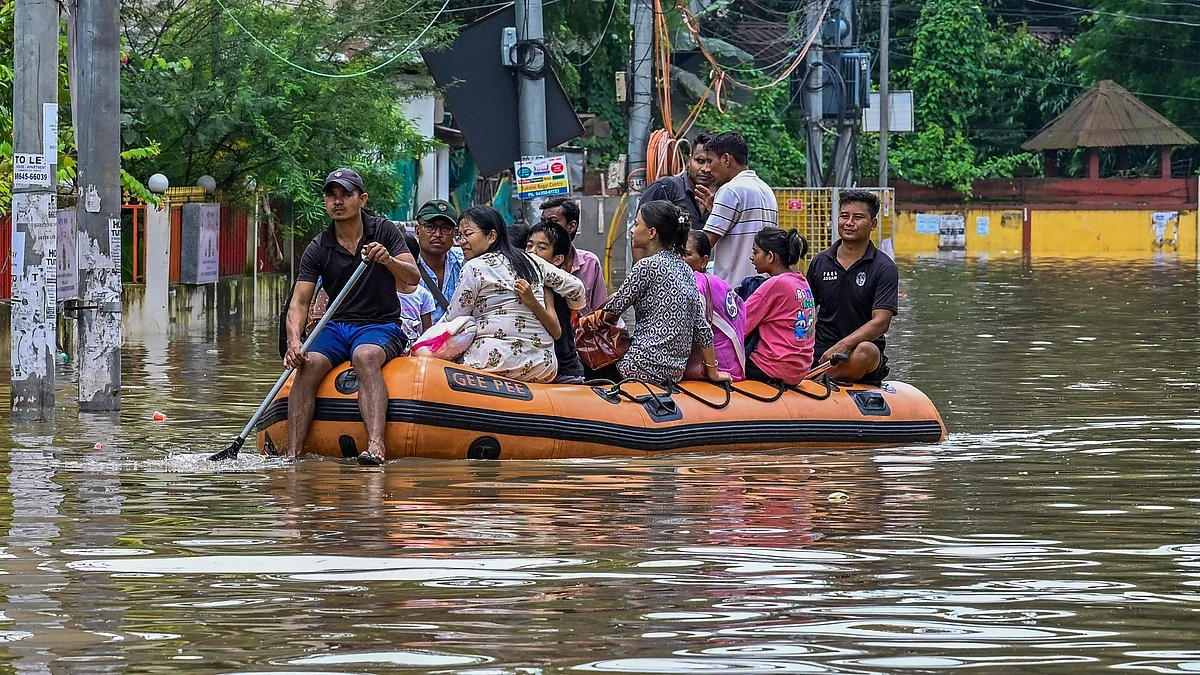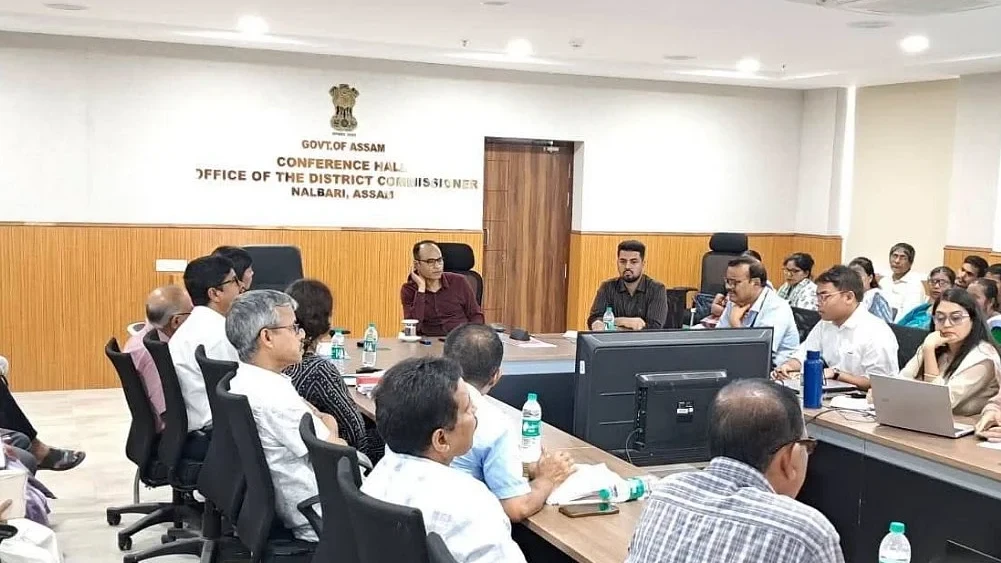
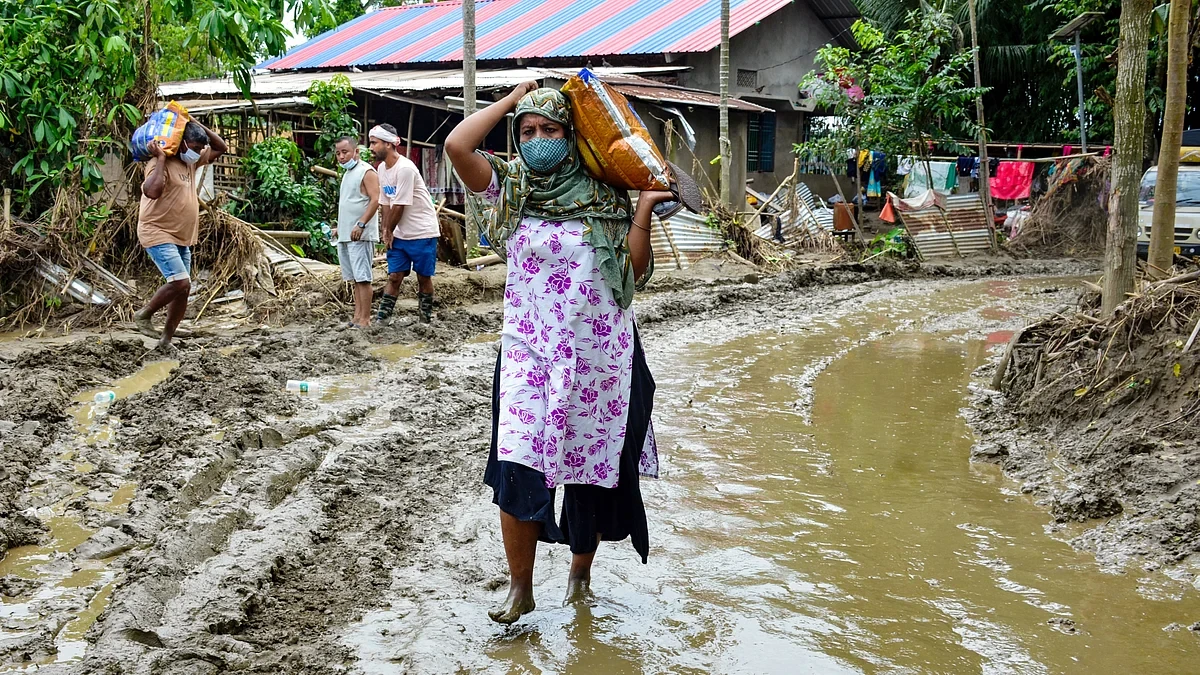
The recent devastating floods that swept across Assam were not merely a natural calamity but a preventable catastrophe, according to various reports and expert observations. Accountability for the widespread destruction and loss of life is being directed at both state authorities in Guwahati and central government agencies in Delhi, citing a systemic failure to implement crucial preventive measures.
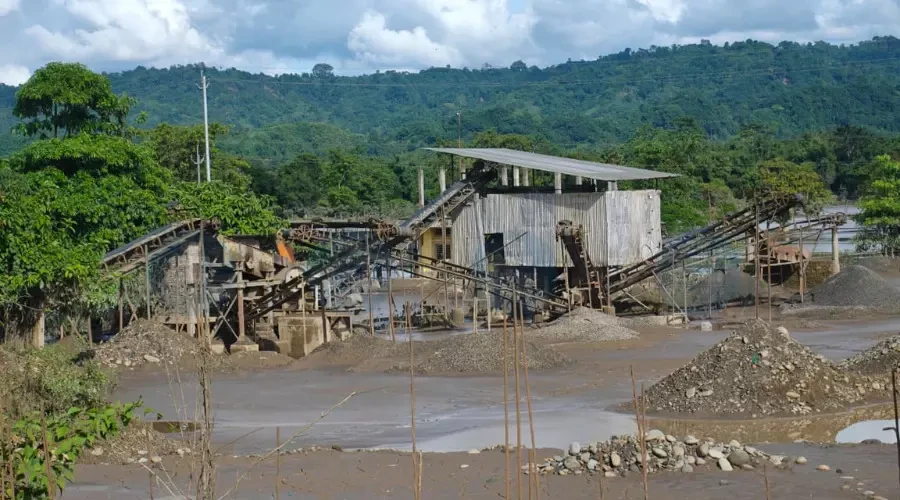
Key factors contributing to the disaster include rampant administrative negligence, unchecked illegal sand and stone mining activities, and a blatant disregard for scientific warnings issued by river management professionals. Technical assessments, unlike political rhetoric, are designed to prompt immediate preventive action, yet crucial findings often appear to be relegated to mere archival documents.
For instance, a 2019 directive from the Gauhati High Court had mandated the formation of a specialised task force to address river management issues. Furthermore, detailed technical reports from as recently as 2022 outlined specific vulnerabilities and recommended interventions. Despite these clear warnings and legal mandates, critical actions to bolster flood defences and manage river systems effectively were seemingly overlooked.
The recurring nature of such tragedies, where the grim toll of human lives often becomes a statistic, raises uncomfortable questions about governance. Critics point to a pattern where political leadership frequently diverts blame instead of undertaking introspective analysis of how the deaths of their constituents could have been averted. Moreover, the apparent prioritisation of political interests by certain bureaucratic elements over the welfare of the populace, coupled with a concerning lack of critical scrutiny from some media quarters, further exacerbates the situation. Observers suggest that a fundamental shift towards accountability and proactive implementation of expert recommendations is urgently needed to prevent future calamities.
Continue Reading