The essence of Magh Bihu lies in contentment and gratitude
Digital Desk: The Prime Minister Narendra Modi on Wednesday extended warm greetings to the people of Assam on the occasion of Magh Bihu, expressing hope that the festival would usher in peace, good health, and happiness in everyone’s lives. In his message, the Prime Minister highlighted the deep cultural and social significance of the festival, describing it as a celebration that reflects the rich traditions and values of Assamese society.
Conveying his wishes, PM Modi wrote, “Dear fellow citizens, warmest greetings to you and your family on the joyous occasion of Magh Bihu. Embodying the best of Assamese culture, this beautiful festival is indeed an occasion of joy, warmth, and brotherhood.” He further elaborated that Magh Bihu symbolises contentment and gratitude, marking the completion of the harvest season and offering an opportunity to appreciate the contributions of farmers and others who enrich people’s lives.
“The essence of Magh Bihu lies in contentment and gratitude. It encourages generosity and care among us. May this Magh Bihu bring peace, good health, and happiness to everyone, and may the year ahead be filled with prosperity and success,” the Prime Minister added.
Magh Bihu, also known as Bhogali Bihu or Maghar Domahi, is one of Assam’s most important festivals and is celebrated this year on 14th January . The festivities begin a day earlier with Uruka, the final day of the Paush month, when communities come together to mark the onset of celebrations.
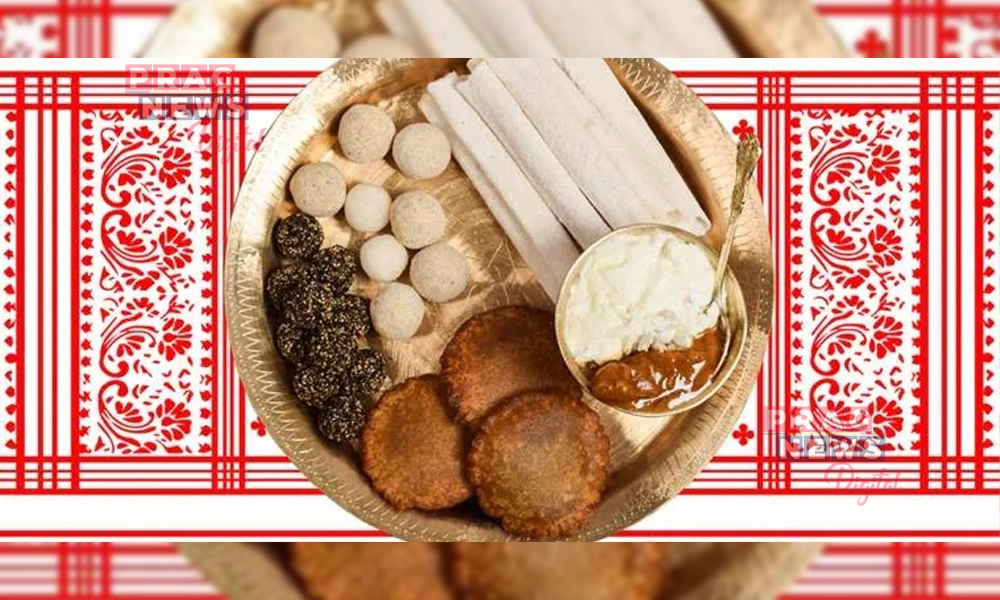
On Uruka, people construct temporary huts known as bhelaghar using bamboo, leaves, and thatch. Women prepare traditional bhog inside these huts, including rice-based delicacies such as sunga pitha, til pitha, and coconut laddus. Families and villagers gather around the Meji to dine together, sing, and celebrate, reflecting unity, togetherness, and cultural pride.
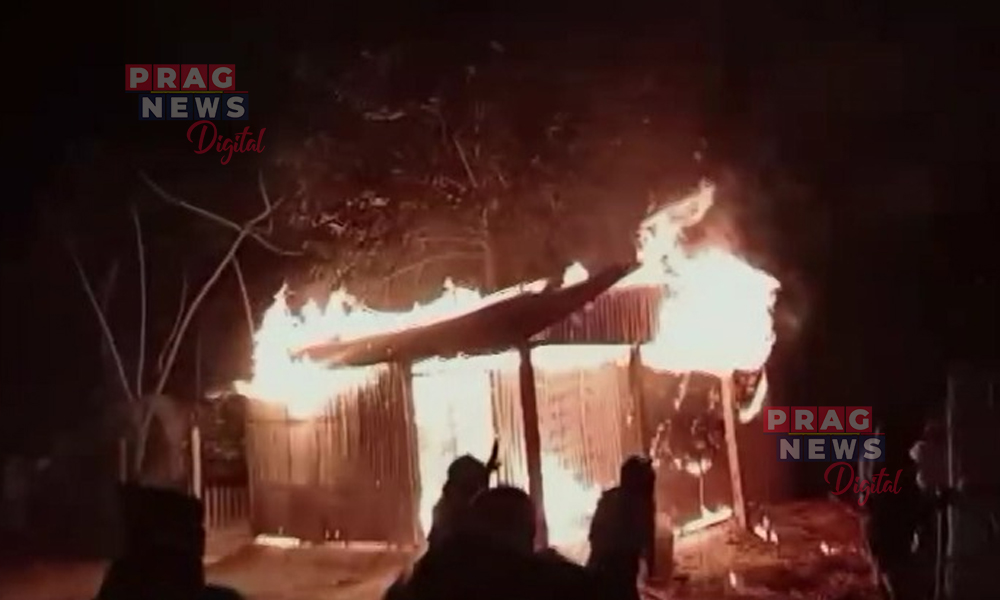
On the morning of Magh Bihu, the Meji huts are ceremonially burnt as part of sacred rituals. The ashes are later scattered across farmlands as prayers for fertile soil and abundant harvests, while other traditional rituals are performed to seek blessings for the year ahead.
Continue Reading