
Assam is grappling with a severe public health challenge as the death toll from Japanese Encephalitis (JE) has climbed to 15 across the state. The vector-borne disease continues to pose a significant threat, particularly during the monsoon and post-monsoon seasons, making this latest figure a cause for serious concern among health officials and the public alike.
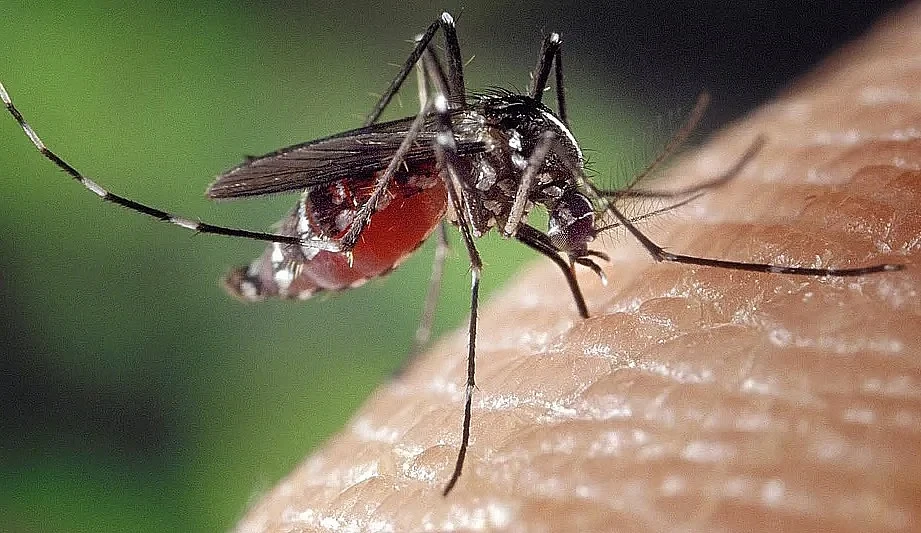
Japanese Encephalitis is a recurring health issue in Assam, with the state historically experiencing outbreaks that place a considerable strain on its healthcare infrastructure. The disease, transmitted by mosquitoes, often affects vulnerable populations, especially in rural and semi-urban areas, leading to severe neurological complications and, in some cases, fatalities.
Health authorities in Assam are reportedly intensifying surveillance efforts to monitor the spread of the disease. While specific details of current interventions were not immediately available, such situations typically involve extensive vaccination drives, fogging operations to control mosquito populations, and widespread awareness campaigns aimed at educating the public on preventive measures. Residents are frequently urged to use mosquito nets, maintain hygiene, and seek immediate medical attention for symptoms like fever, headache, and altered mental status.
The rising casualty count underscores the persistent challenge JE presents to public health in the region. Officials continue to monitor the situation closely, emphasizing the critical need for sustained preventive actions and community participation to mitigate the impact of this deadly disease and protect the lives of citizens across Assam.
Continue Reading