
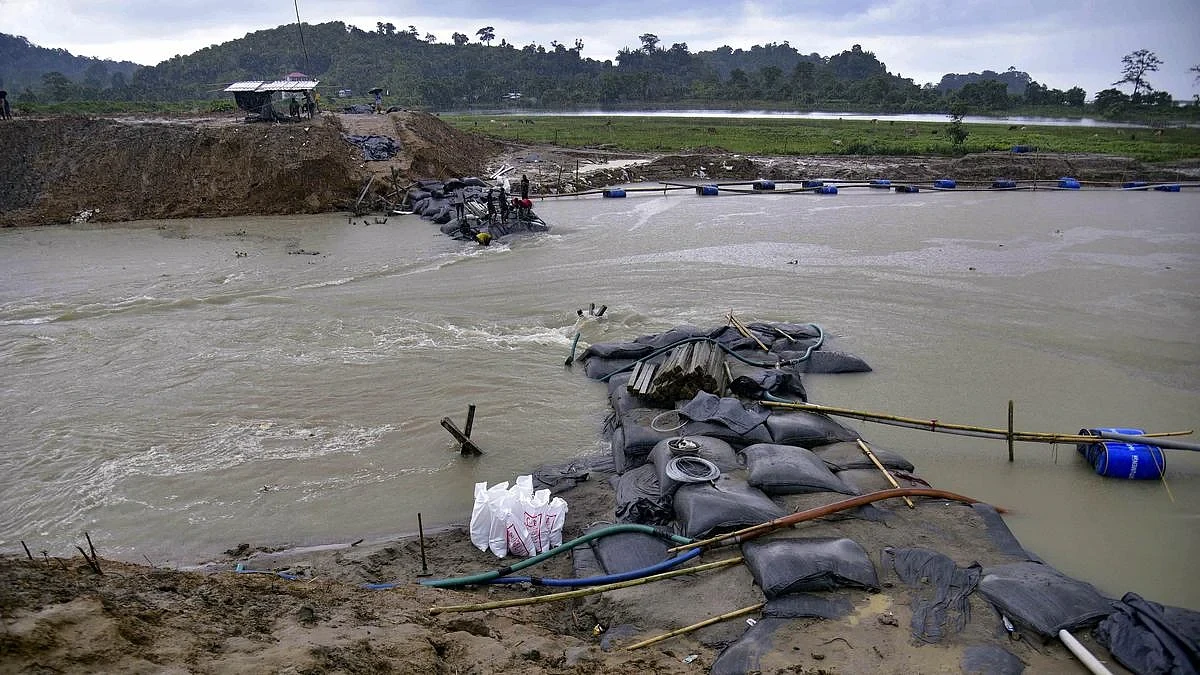
In a significant re-evaluation of its long-standing battle against annual deluges, Assam is reportedly exploring a new paradigm for flood resilience. The state, perennially grappling with the devastating impacts of the Brahmaputra and Barak river systems, is considering strategies that involve 'giving rivers room' rather than solely relying on reinforced embankments.
This evolving approach signals a move towards integrating natural river dynamics into flood mitigation efforts. Experts suggest that restoring floodplains, conserving wetlands, and designating controlled inundation zones could be key components. The rationale is that allowing rivers to spread naturally during peak monsoon seasons can reduce hydraulic pressure on existing infrastructure, facilitate natural silt deposition, and recharge groundwater tables, thereby lessening the severity of concentrated flooding downstream.
For decades, Assam's primary defence against floods has been an extensive network of embankments. While these structures offer immediate protection, critics argue that they can sometimes exacerbate problems by confining rivers, leading to increased erosion, higher water levels within the embanked channels, and heightened risk of catastrophic breaches. The proposed shift aims to strike a more sustainable balance between protecting habitations and working with the natural characteristics of the riverine landscape.
Implementing such a comprehensive strategy presents considerable challenges, including careful land use planning, community engagement, and significant investment. However, officials are hopeful that these nature-based solutions, if effectively executed, could lead to a more resilient Assam, safeguarding lives, livelihoods, and the unique ecological balance of the region against the relentless force of its mighty rivers.
Continue Reading