The East Jaintia Hills district of Meghalaya is witnessing a severe environmental crisis as an intensive build-up of over ten cement plants, spanning nearly two decades, continues to impact its fragile ecosystem. Reports indicate that government approvals for these industrial units were consistently granted on the premise that the allocated land was barren and unsuitable for agriculture, thus deemed appropriate for industrial development.
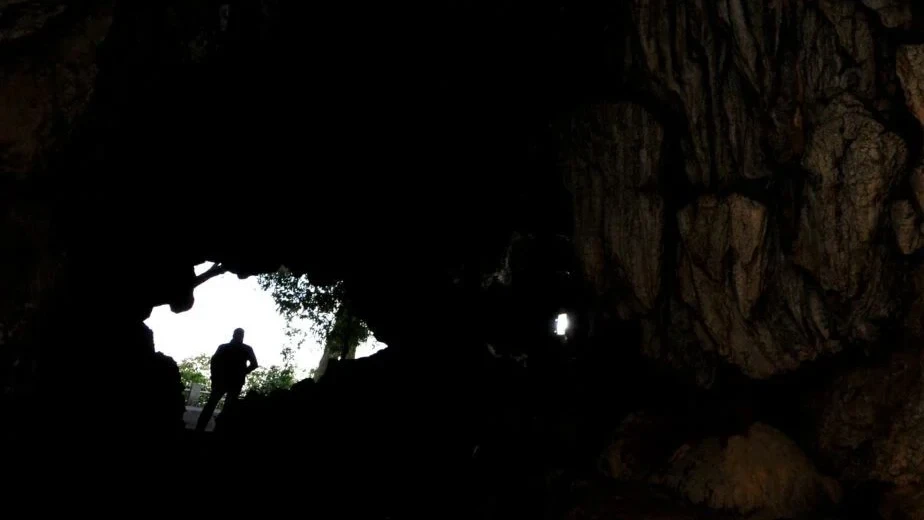
However, the ground reality paints a starkly different picture. The region, known for its rich biodiversity and geological significance, has suffered irreversible damage. Four of Meghalaya's more than 1,580 limestone caves in East Jaintia Hills have been permanently destroyed due to quarrying activities associated with these cement companies. The threat now looms large over additional caves as mining operations expand, pushing closer to the critical Narpuh Wildlife Sanctuary.
Beyond the destruction of unique cave systems, the industrial activity has led to widespread pollution, notably poisoning rivers that traverse across state and international borders. This environmental degradation raises serious concerns for the region's long-term ecological health and the communities dependent on these natural resources.
The extensive industrial presence, concentrated within a sensitive limestone belt, highlights a growing conflict between economic development objectives and environmental preservation in one of Northeast India's most ecologically vulnerable areas.
Continue Reading